Costmary
Tanacetum balsamita
FLOWER
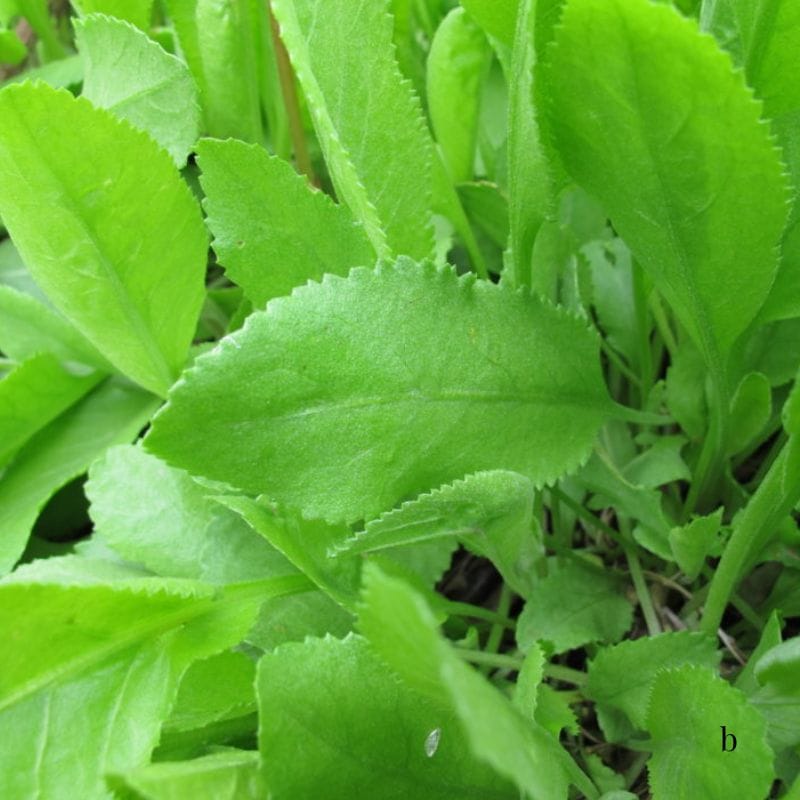
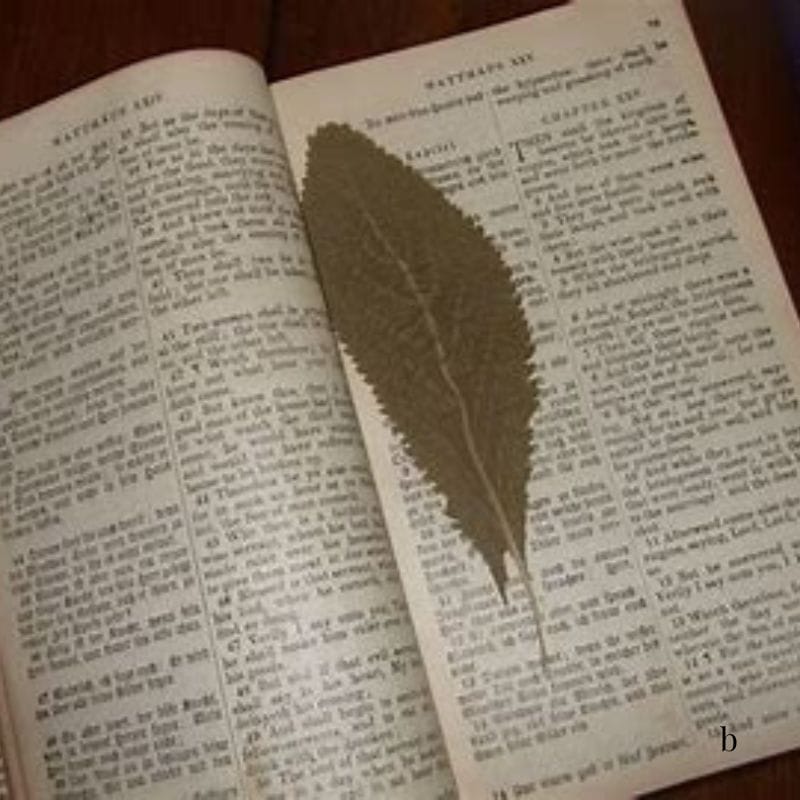
"The leaf is used to be put in Bibles and other books... and for the same reason it is also used in shops and houses, to keep away the moths from clothes,"
William Coles (1656) - The Art of Simpling.
Costmary, also known as Alecost or Bible Leaf, has a history rooted in preservation and fragrance. The name "Alecost" dates back to the medieval era when it was the primary bittering agent for ale before hops became standard.
Its other popular name, "Bible Leaf," stems from the tradition of using its aromatic leaves as bookmarks; the scent was pleasant during long services, but more importantly, the volatile oils protected the paper from silverfish and book-lice.
THE HERBAL KITCHEN
While its use in the kitchen has faded over time, Costmary was once a staple in the brewing of "real ale" to provide a sharp, bitter taste. In the kitchen, the young leaves can be used very sparingly in salads or to flavour poultry and game, as the taste is quite potent and can easily become overly bitter.
Historically, it was also used to flavour fruit cakes and "pot-herbes" for soups, though in modern cooking, it is primarily appreciated as a rare, heritage flavouring agent.

THE HERBAL APOTHECARY
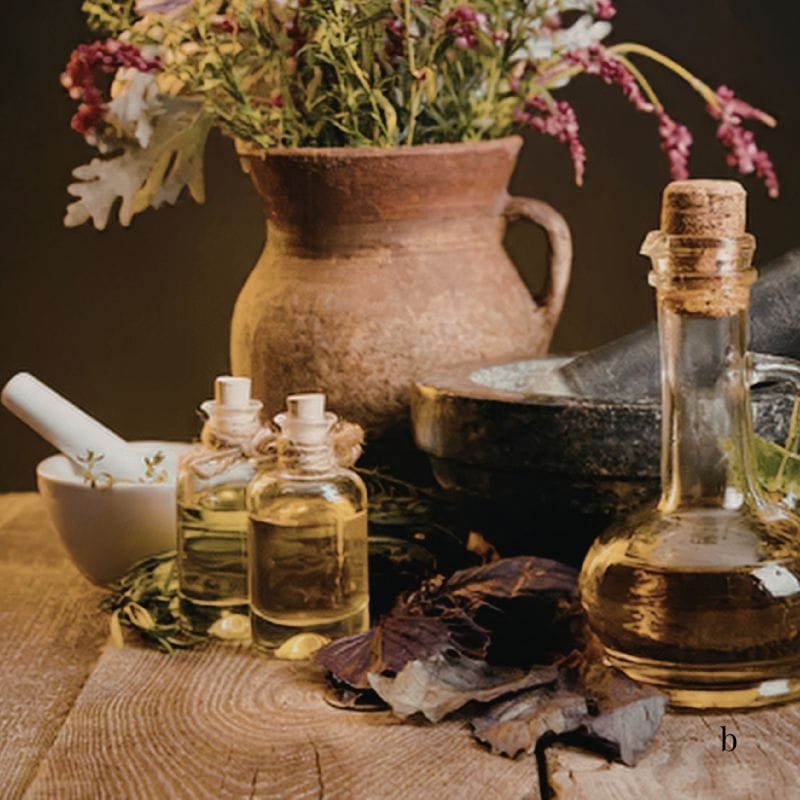
In traditional herbalism, Costmary was used as a bitter digestive tonic to settle the stomach and stimulate the appetite. It contains tannins and volatile oils that give it mild astringent and antiseptic properties.
It was often used in the past to treat "the greensickness" (anemia) or to ease the pain of childbirth, though modern herbalists seldom use it internally. It is most frequently used today as an external wash for minor skin irritations.
BOTANICAL BEAUTY
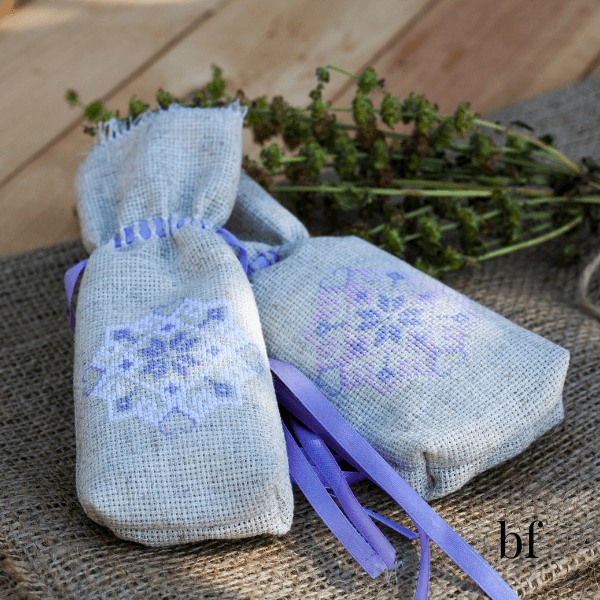
Its refreshing, balsamic scent is highly valued in sleep sachets or bath bags, where it is often blended with lavender and rose to calm the nerves and promote deep rest.
THE NATURAL HOME & GARDEN
Costmary is a powerhouse in the home and garden. Its primary use for centuries has been as a natural insecticide; dried leaves in the linen cupboard or library will effectively repel moths and silverfish. It is also an excellent dye plant, yielding beautiful shades of yellow and olive green depending on the mordant used.
In the garden, it is a brilliant companion plant for cabbages and beans, as its strong scent confuses pests like aphids and flea beetles, while its yellow flowers are a magnet for bees and other beneficial pollinators.
WHY YOU SHOULD GROW THIS HERB
Costmary is the ultimate low-maintenance survivor for the modern gardener. It requires almost no attention once planted and provides a year-round resource for natural home care and organic pest control.
By growing Costmary, you are preserving a piece of botanical history that was nearly lost to time. It offers a unique scent profile that bridges the gap between mint and spice, providing you with a natural, chemical-free way to protect your books, your clothes, and your vegetables all at once.
UNLOCK THE FULL MASTER GUIDE
For the deep dive—including botanical etymology, ancestral history, and the complete medicinal and functional archive for Costmary—look for the Barefoot Herb Guide here:
Flowers -Volume 1
Available in the Barefoot Shop
RECIPES
From the kitchen to the garden shed, follow these links for step-by-step guides using Costmary
Natural Household

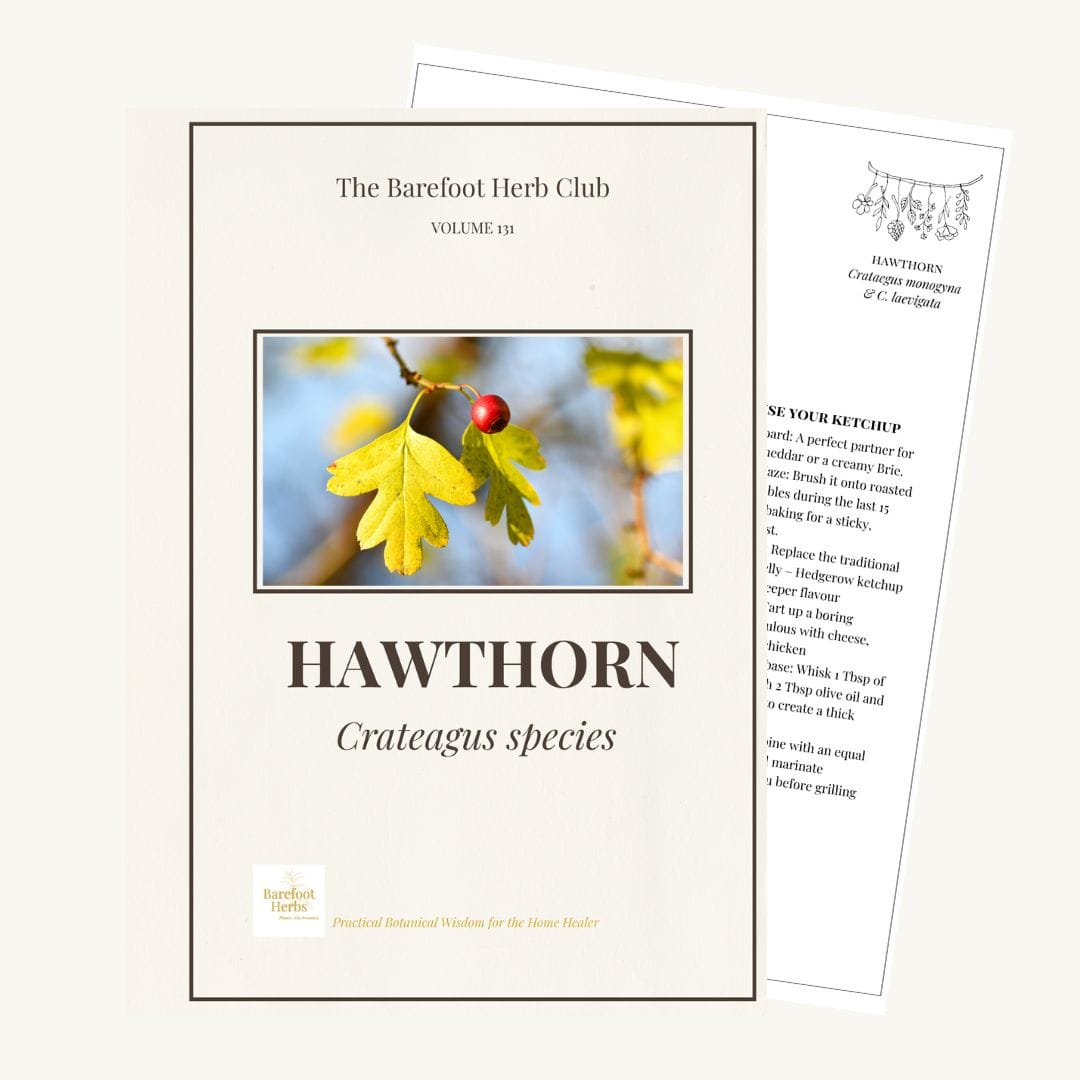
JOIN THE BAREFOOT HERB CLUB
Never miss a guide! Whether we are exploring common garden "weeds," exotic spices, or indigenous treasures, you can get every weekly update delivered to your inbox for less than the cost of a cup of coffee!
Practical wisdom for every home, garden, and apothecary.
Receive a New Edition every week
Library Categories

"I'm Sharon. I've spent 25 years helping people remember the old ways of healing. (Read More....)

Preserving ancestral plant wisdom for the
Home Healer


