Nigella
Nigella sativa
SPICE
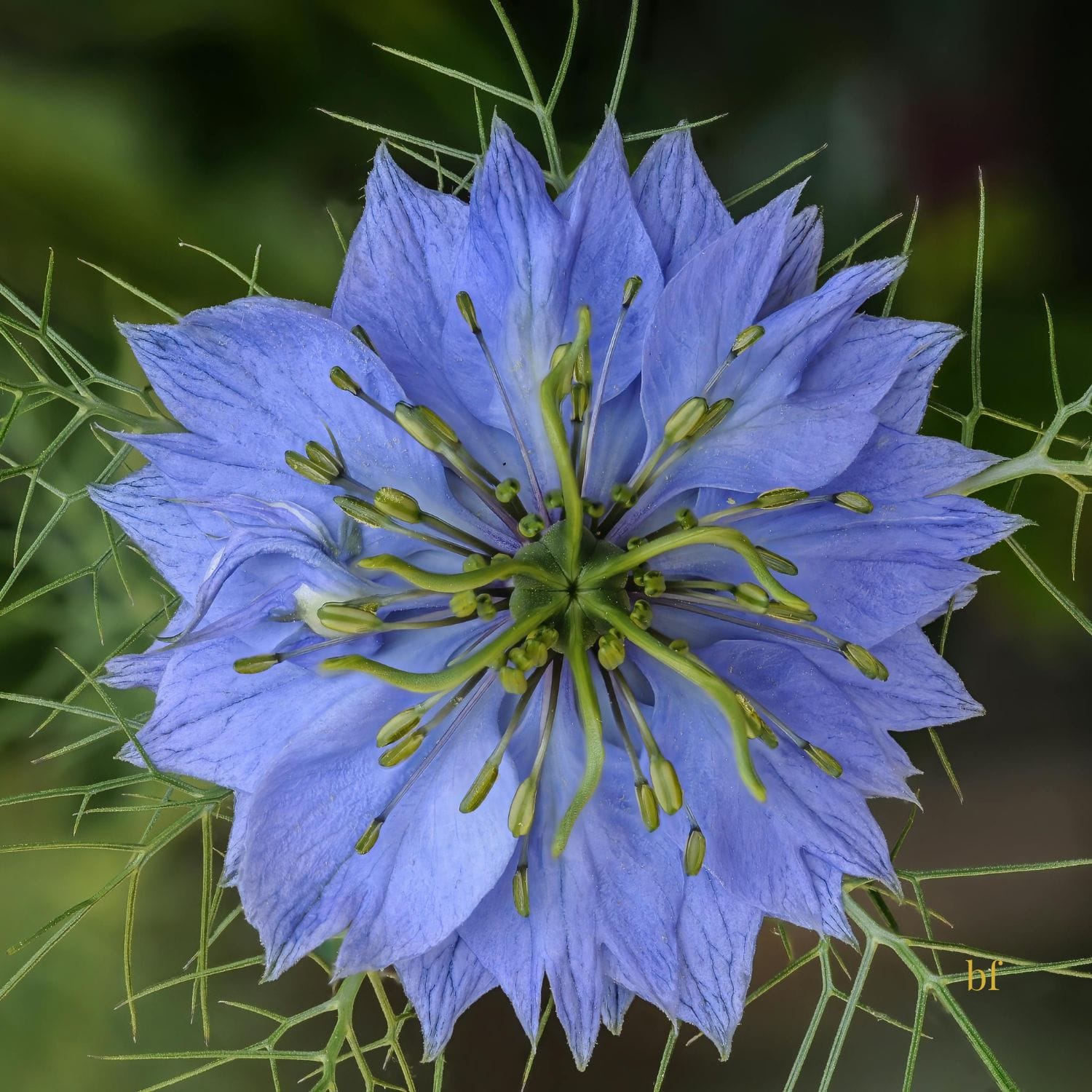
'Hold to the use of the Black Seed, for it has in it a healing for every illness except death.' Prophetic tradition attributed to Muhammad (Sahih Bukhari)
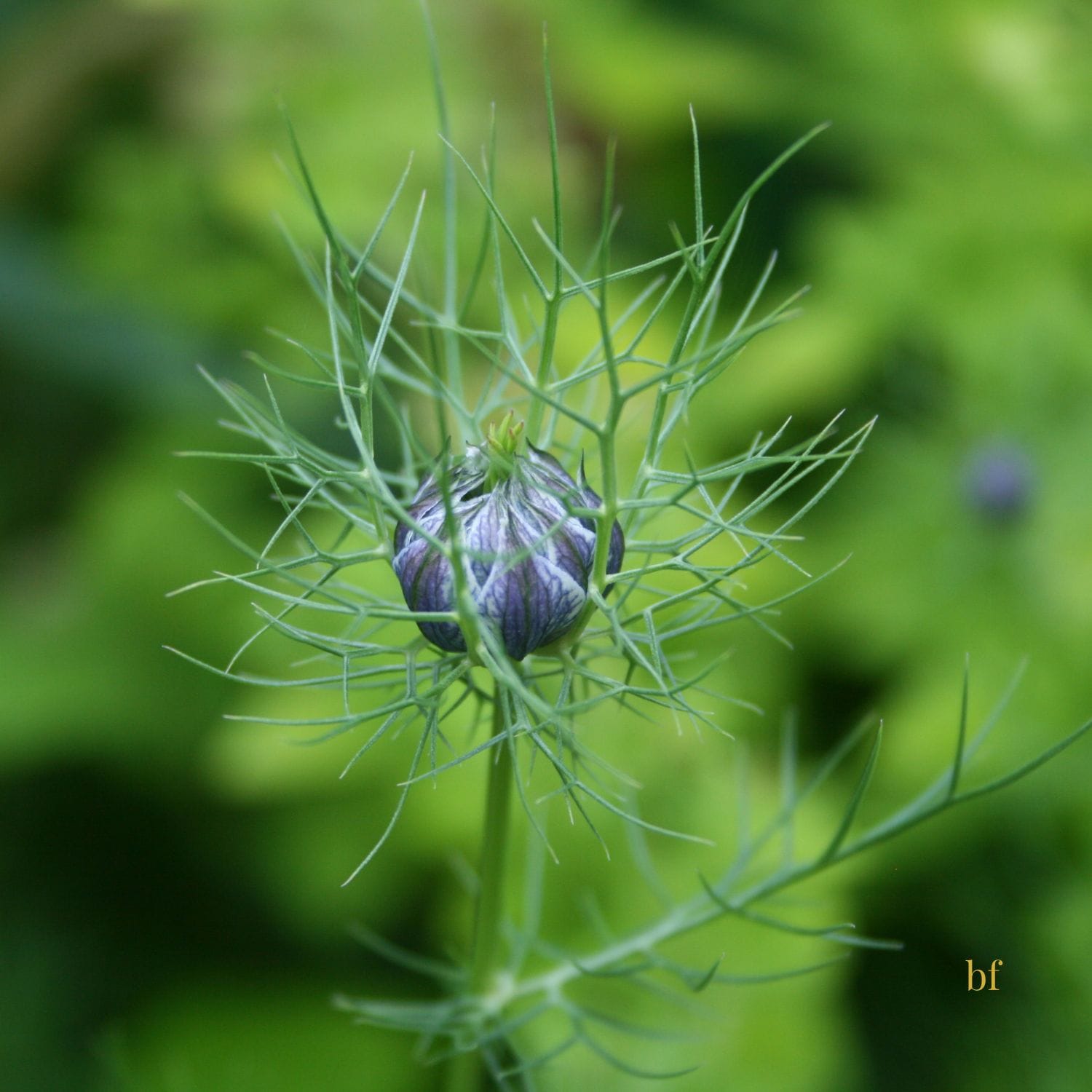
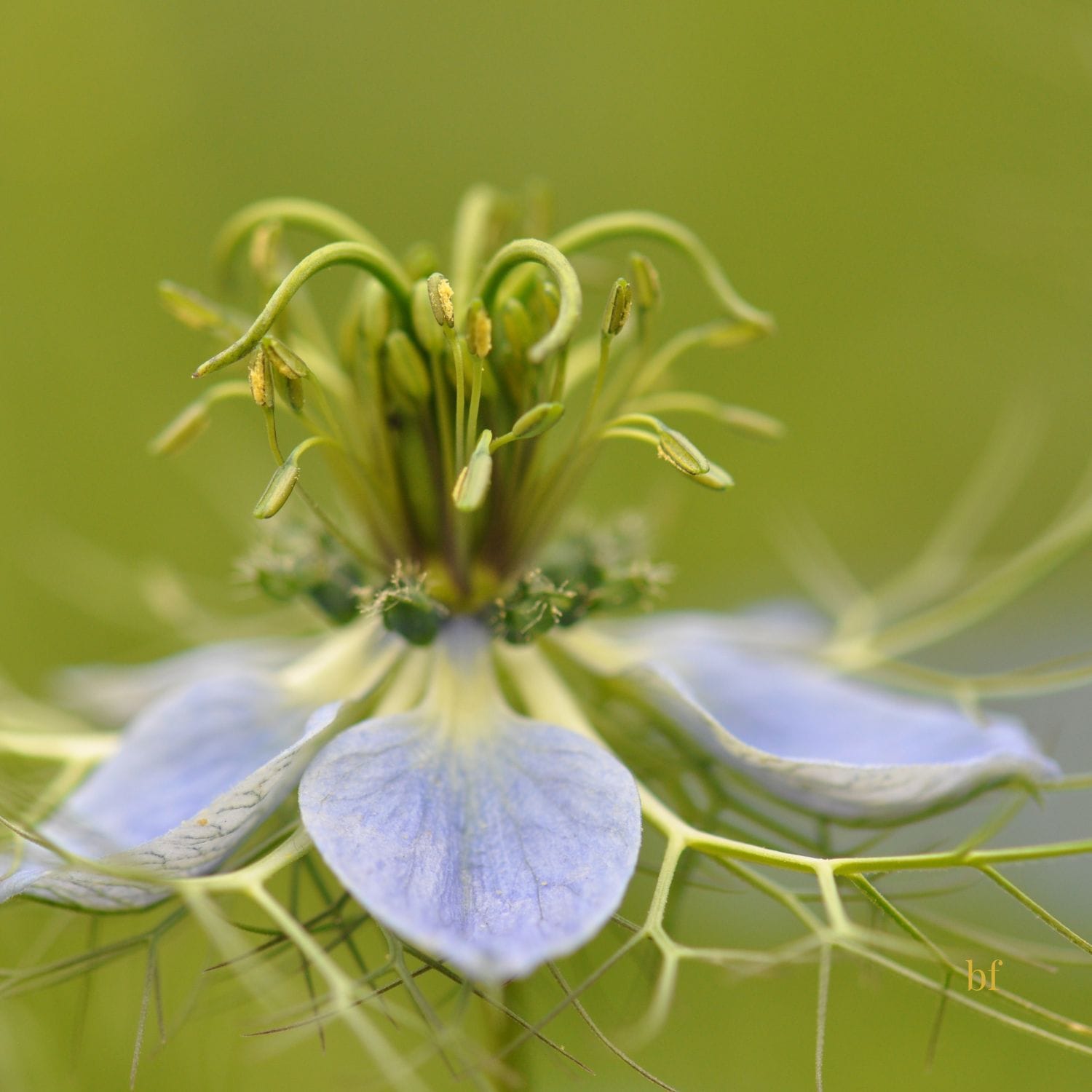
Nigella, often known as Black Seed or Kalonji, is a plant that carries the weight of millennia within its tiny, jet-black seeds. While its delicate, feathery foliage and pale blue flowers make it a beautiful sight in the garden, its true value lies in the dried seeds.
Historically, Nigella has been a cornerstone of healing across the Middle East, Africa, and Asia; it was found in the tomb of Tutankhamun, suggesting that even the ancient Pharaohs considered it an essential spice for the afterlife.
THE HERBAL KITCHEN
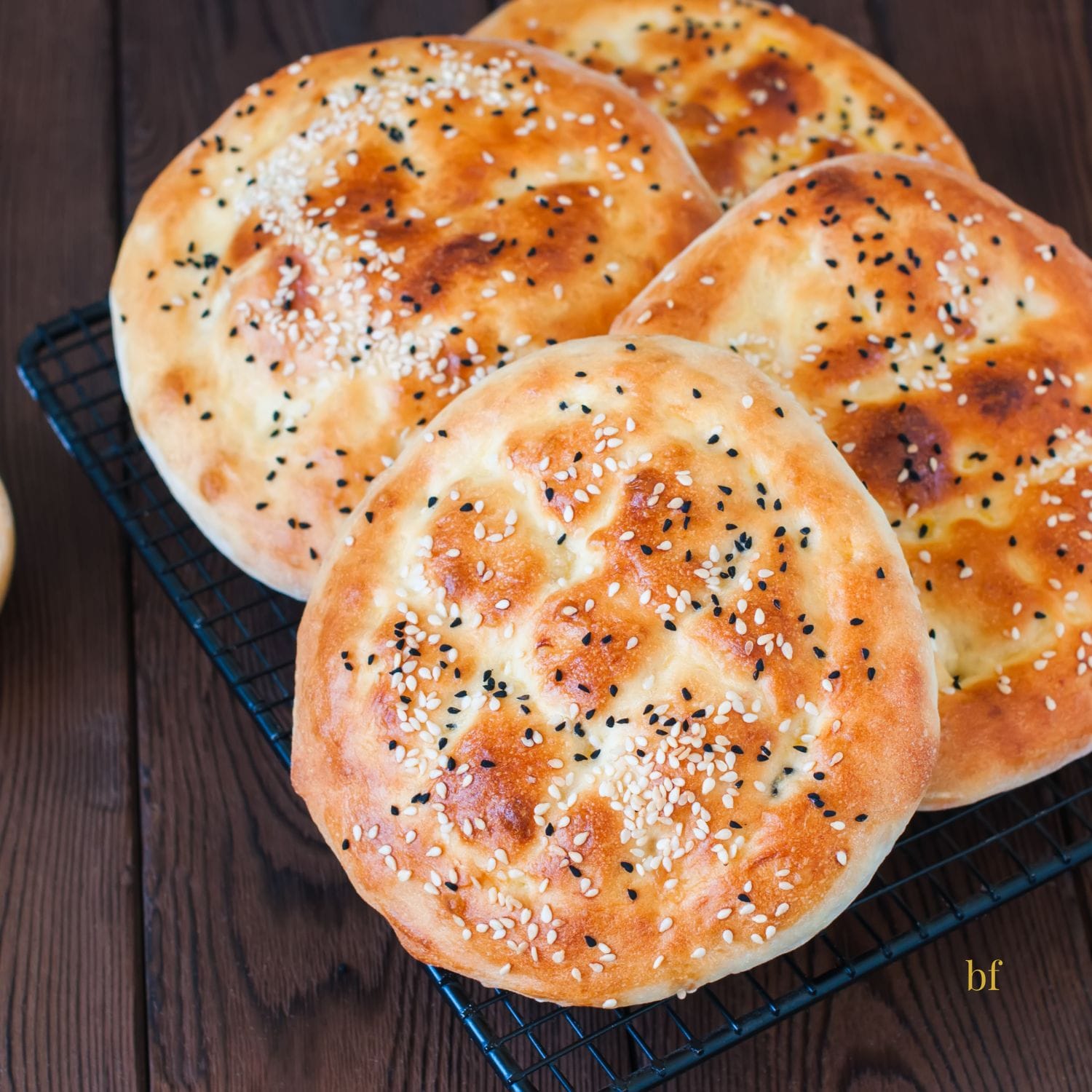
In the kitchen, Nigella has a complex flavour profile that sits somewhere between toasted onion, black pepper, and oregano. The seeds are a staple in Middle Eastern and Indian cuisines, traditionally sprinkled over naan bread or used to temper hot oil for vegetable curries.
Their nutty, slightly bitter bite provides a grounding base for earthy spices like cumin and coriander, but they are equally as delicious paired with honey or used as a sprinkle over fresh salads.
THE HERBAL APOTHECARY
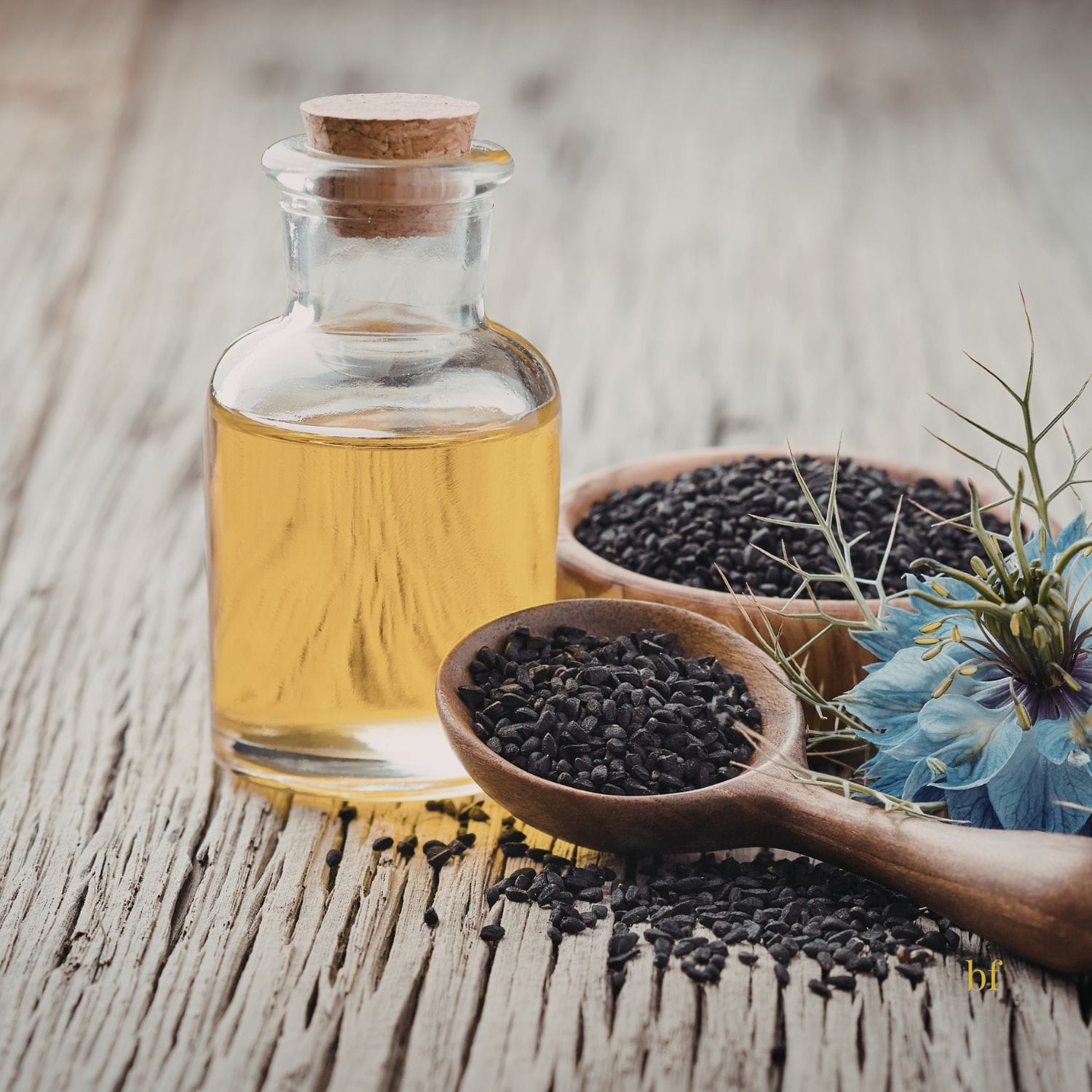
The medicinal reputation of Black Seed Oil is legendary, and has had a recent revival thanks to social media.
It is widely used to support the respiratory system against asthma and allergies, and to bolster the immune system during times of infection. Its ability to support the cardiovascular system is well researched and it is a potent digestive aid, often combined with honey to soothe the gut, reduce bloating, and improve the bio-availability of other healing herbs.
BOTANICAL BEAUTY
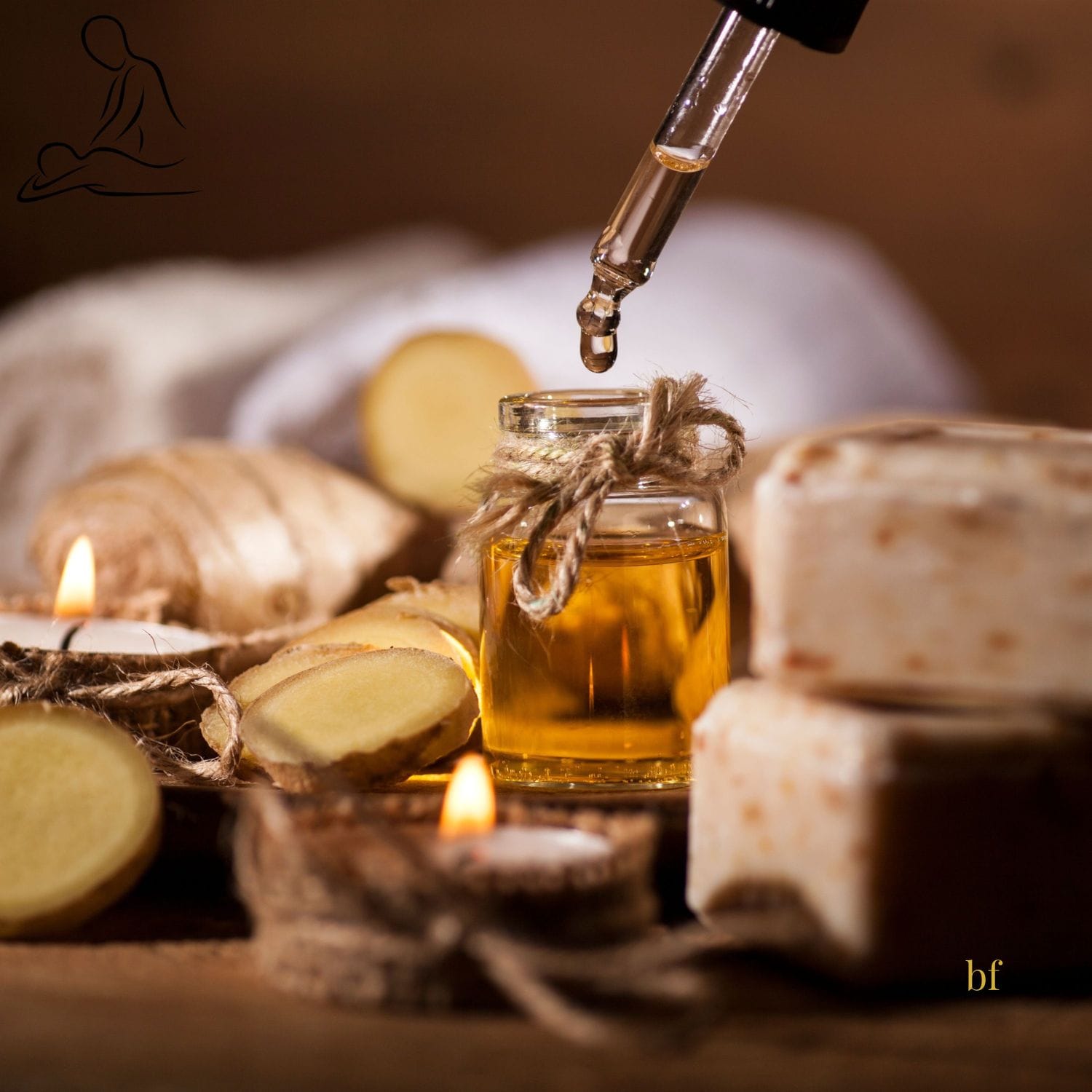
Black Seed Oil is a luxurious treatment for both skin and hair. Its antibacterial and anti-inflammatory properties make it an excellent choice for soothing stubborn skin conditions like eczema or acne.
When used as a scalp tonic, the oil is said to strengthen hair follicles and encourage growth, while its high mineral content helps to revitalise dull, tired skin.
THE NATURAL HOME & GARDEN
In the home and garden, Nigella serves as both a protector and a pollinator magnet. The seeds can be placed in sachets among linen to deter moths and other pests, much like lavender.
In the garden beds, Nigella thrives in the sun-drenched soils and the intricate flowers are a favourite for bees and butterflies,
After the petals fall, the decorative seed pods can be dried for use in everlasting floral arrangements, bringing a touch of the Barefoot aesthetic indoors.
WHY YOU SHOULD GROW THIS HERB
Who wouldn't want to grow a flower that is so pretty?!
But actually, nigella is a must-have for any garden because it provides high-value medicine, incredible culinary versatility, and stunning ornamental beauty all at once.
It is herb that is remarkably easy to grow from seed, often self-seeding to return year after year.
UNLOCK THE FULL MASTER GUIDE
For the deep dive—including botanical etymology, ancestral history, and the complete medicinal and functional archive for Nigella look for the Barefoot Herb Guide here:
Spices Volume 2
JOIN THE BAREFOOT HERB CLUB
Never miss a guide! Whether we are exploring common garden "weeds," exotic spices, or indigenous treasures, you can get every weekly update delivered to your inbox for less than the cost of a cup of coffee!
Practical wisdom for every home, garden, and apothecary.
Receive a New Edition every week
Library Categories

"I'm Sharon. I've spent 25 years helping people remember the old ways of healing. (Read More....)


Preserving ancestral plant wisdom for the
Home Healer


