Pepper
Piper nigrum
SPICE
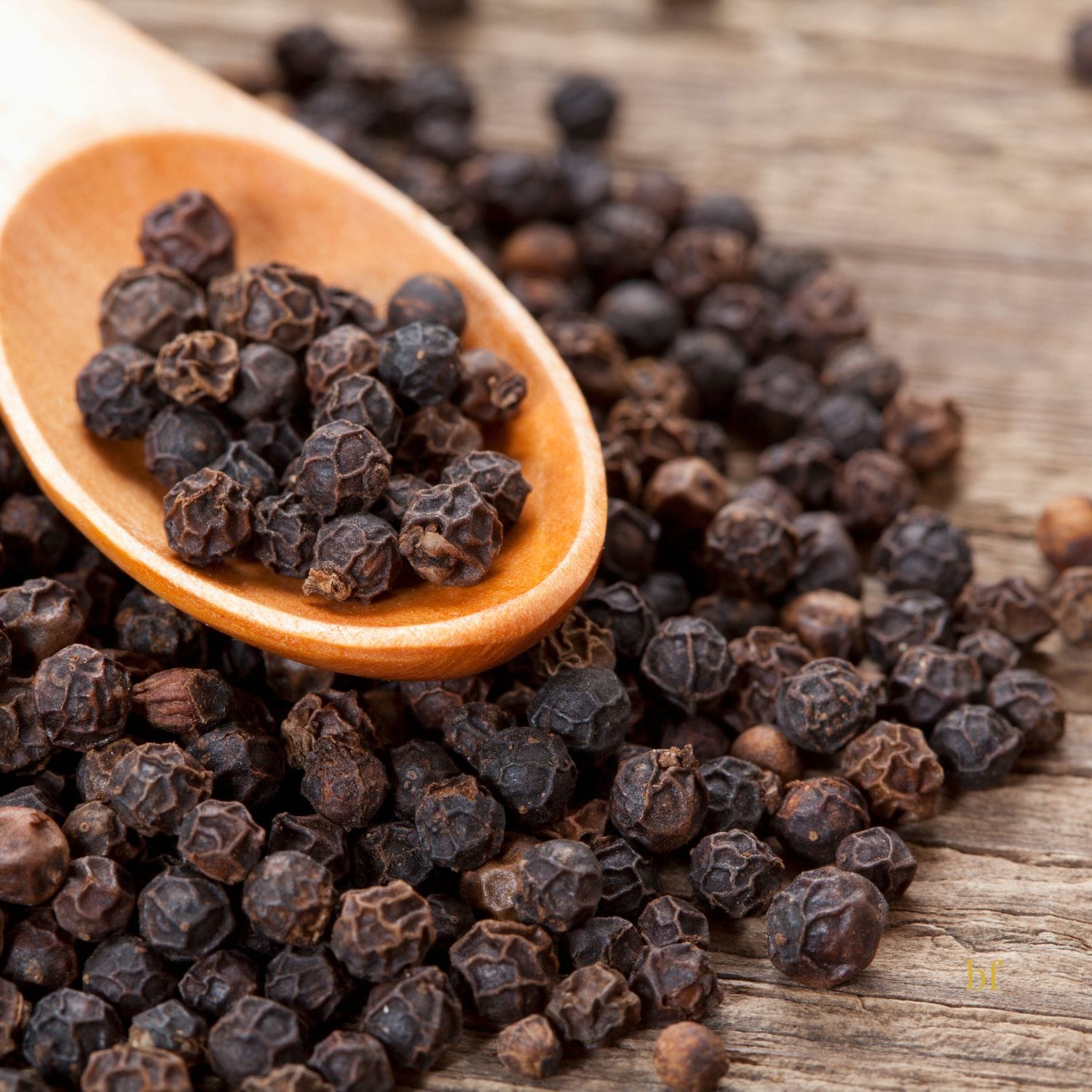
"The Pepper arbor, or tree, groweth in India... whose woods and forests are guarded by venomous serpents. But the inhabitants of that region, when the fruit is ripe, set fire to the woods and chase away the serpents with fire; and so, by the flame, the pepper is made black." — Isidore of Seville, Etymologiae, c. 620 AD
Let’s be honest: humans have been utterly obsessed with pepper for millennia. Far from being just a boring shaker sitting next to the salt this fiery little berry was once so prized that Alaric the Visigoth demanded 3,000 pounds of it as a ransom to lift the siege of Rome in 408 AD.
The trade routes forged for this single spice literally reshaped global geopolitics, proving that our ancestors would gladly brave pirate-infested waters and treacherous overland tracks just to give their dinner a bit of a kick.
THE HERBAL KITCHEN
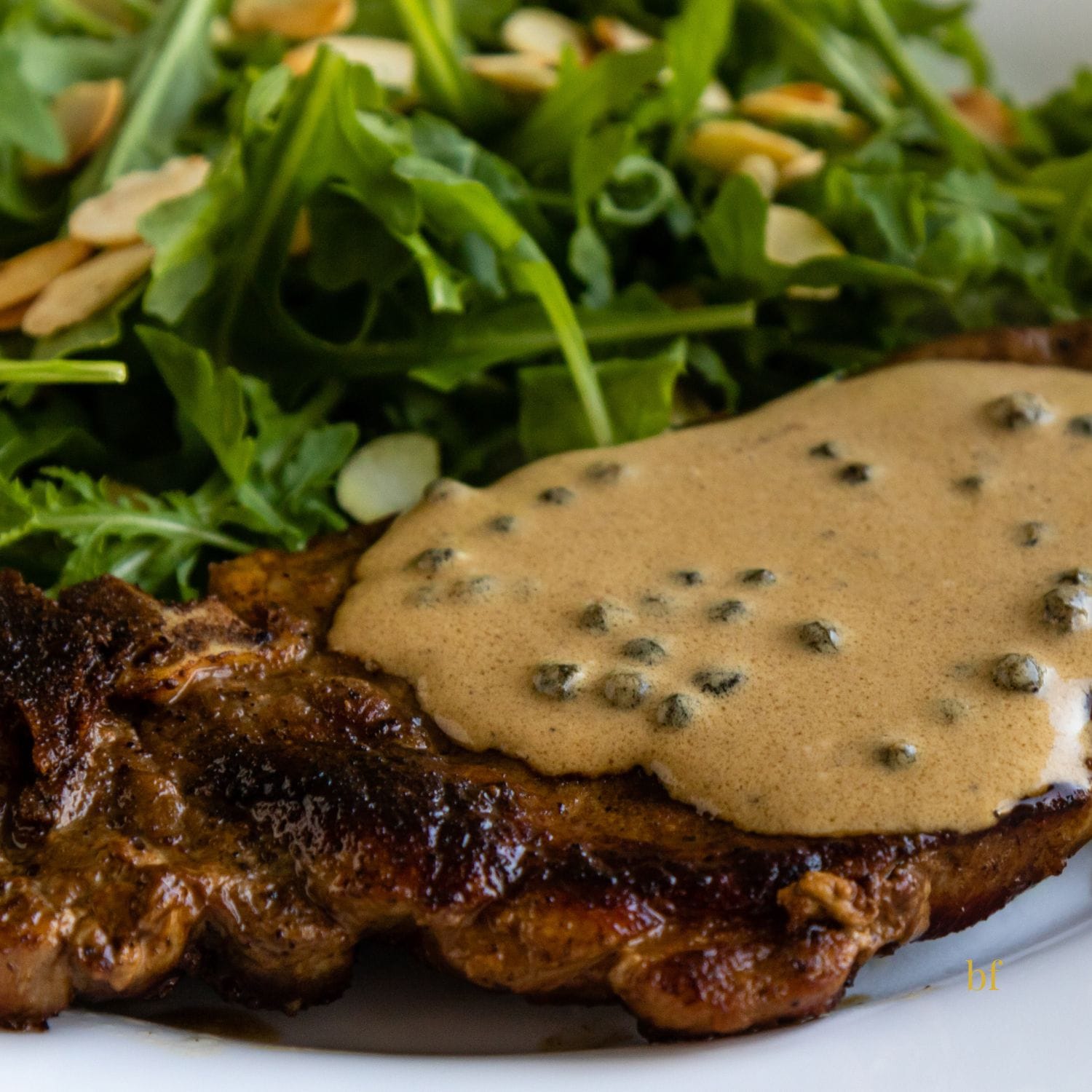
In the kitchen, pepper is the undisputed king of heat, bringing a sharp, pungent bite and a woody aroma that elevates almost any dish it touches.
Whether you are using immature green peppercorns preserved in brine, the fully ripe black berries dried until they shrivel, or the mellow white seeds with their hulls stripped away, it is the ultimate culinary spice that refuses to be ignored.
Not only does it taste good - its active compound, piperine, chemically stimulates your taste buds and kicks your digestive enzymes into high gear, making heavy meals far easier on the stomach.
THE HERBAL APOTHECARY
Medicinally, pepper is a brilliant circulatory stimulant and a fantastic spice to stoke your internal fires. It operates as a warming carminative, meaning it chases away stagnant coldness in the digestive tract and gets sluggish bowels moving again.
Because it enhances bio-availability, it acts as a chemical amplifier for other herbs, helping your body absorb nutrients and medicine much more efficiently than it could on its own.
BOTANICAL BEAUTY
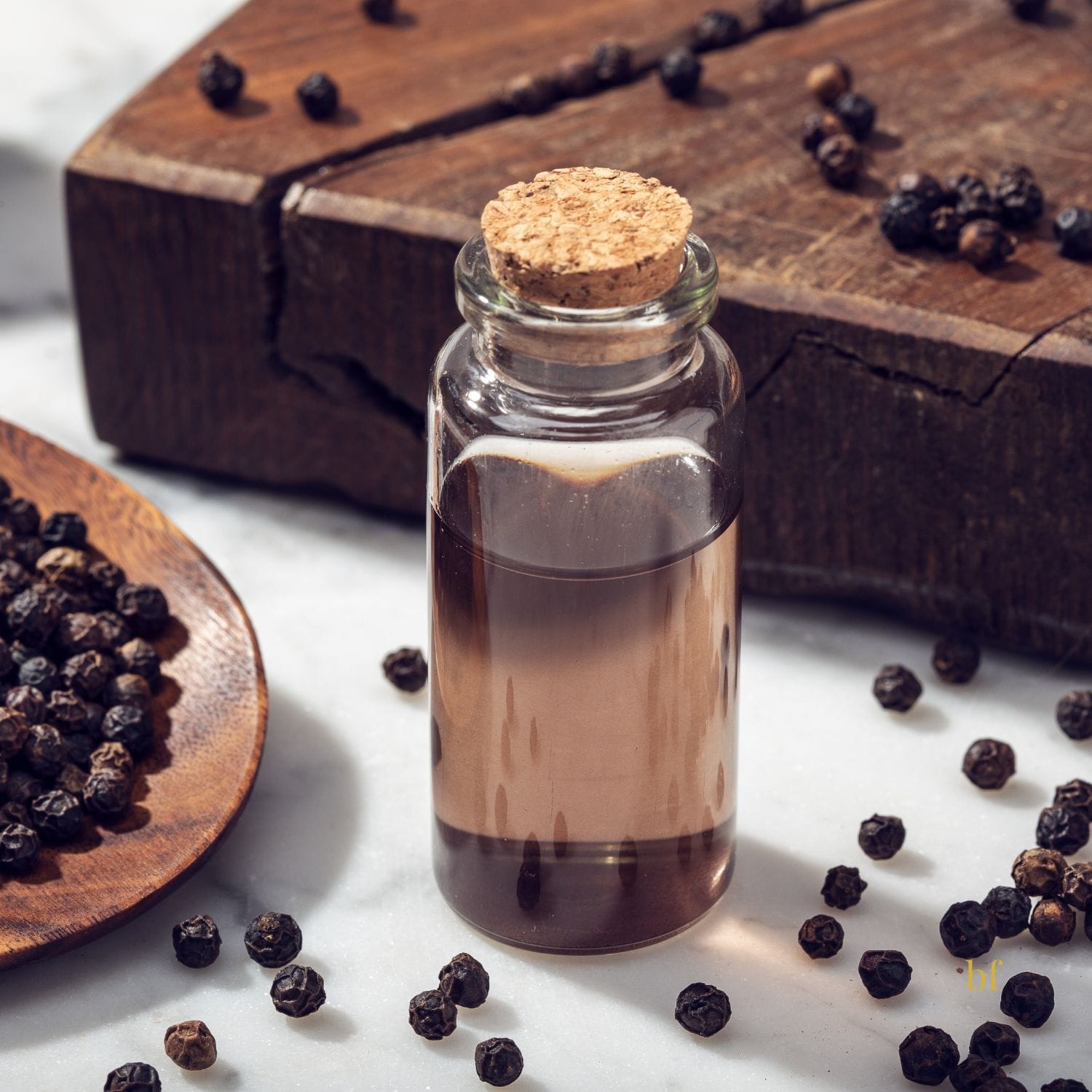
Pepper is a fantastic addition to invigorating body scrubs, where its stimulating nature helps to wake up dull, sluggish skin and boost peripheral circulation.
THE NATURAL HOME & GARDEN
Spiders really should be allowed to roam throughout our homes and gardens, but if you are not a fan, then an infusion of black pepper sprayed in dark corners will keep them away. Ants aren't keen on it either and sprinkling a bit over your seeds will stop pigeons eating them.
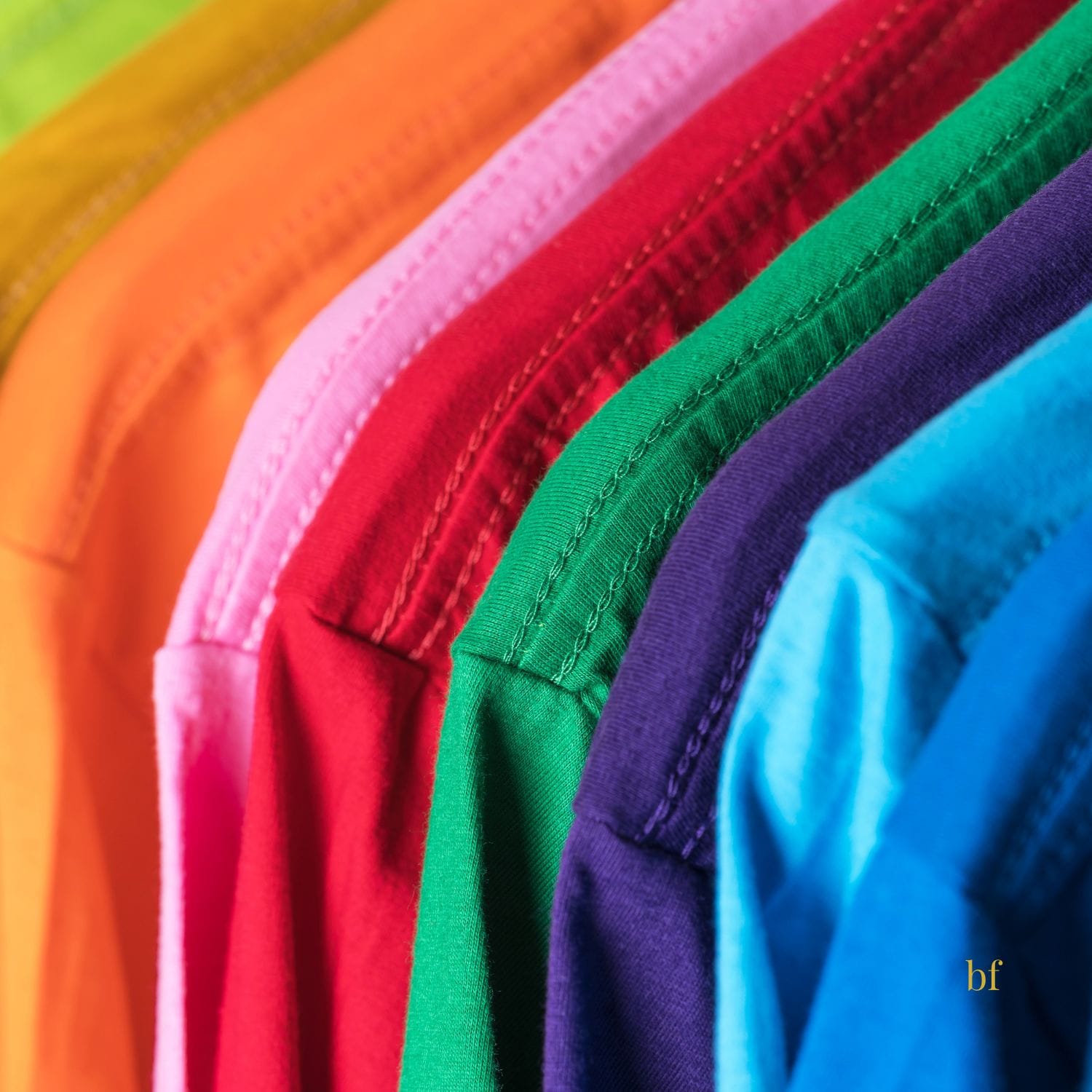
But the absolute best domestic trick? It can stop your bright coloured clothes from fading. Add a teaspoon of pepper in with the washing powder and stop your clothes from fading into those sad, dingy shades.
WHY YOU SHOULD GROW THIS HERB
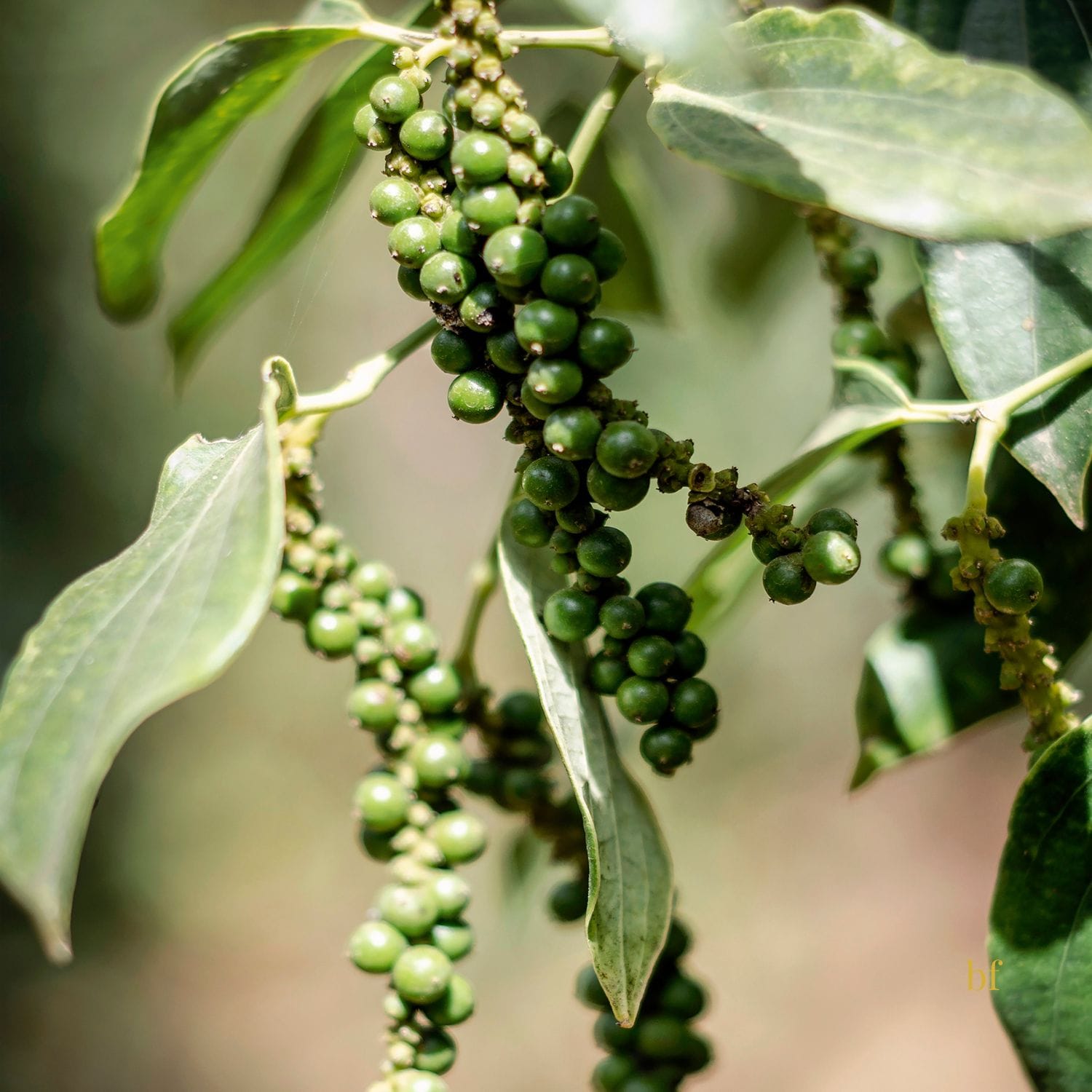
If you are lucky enough to have a warm, humid greenhouse or live in a frost-free tropical climate, a pepper vine would be an amazing addition to your garden.
Unfortunately most of us don't have the right conditions to grow it...but fortunately it is a spice that is easily available so we never have to cook without it!
RECIPES
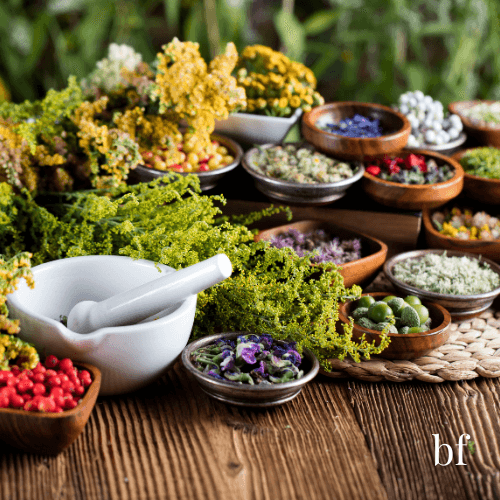
From the kitchen to the garden shed, follow these links for step-by-step guides using Pepper
The Herbal Kitchen
Find every savoury meal with pepper here
UNLOCK THE FULL MASTER GUIDE
For the deep dive—including botanical etymology, ancestral history, and the complete medicinal and functional archive for Pepper—look for the Barefoot Herb Guide here:
Spices Volume 2
JOIN THE BAREFOOT HERB CLUB
Never miss a guide! Whether we are exploring common garden "weeds," exotic spices, or indigenous treasures, you can get every weekly update delivered to your inbox for less than the cost of a cup of coffee!
Practical wisdom for every home, garden, and apothecary.
Receive a New Edition every week
Library Categories

"I'm Sharon. I've spent 25 years helping people remember the old ways of healing. (Read More....)


Preserving ancestral plant wisdom for the
Home Healer


