Plantain - Greater and Ribwort
Plantago major & lanceolata
WEED
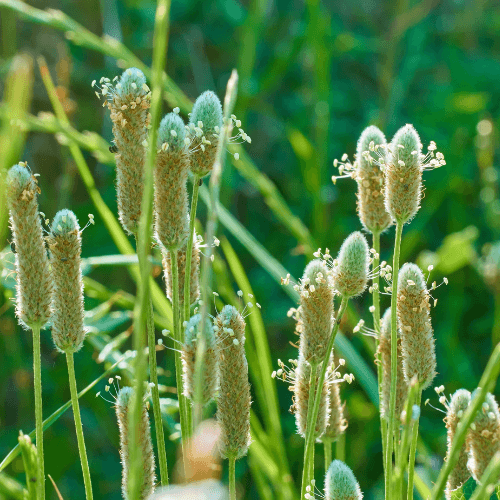
"The Plantain is called Waybread, because it groweth by the way side, and is much trodden under foot." — William Coles, Adam in Eden (1657)
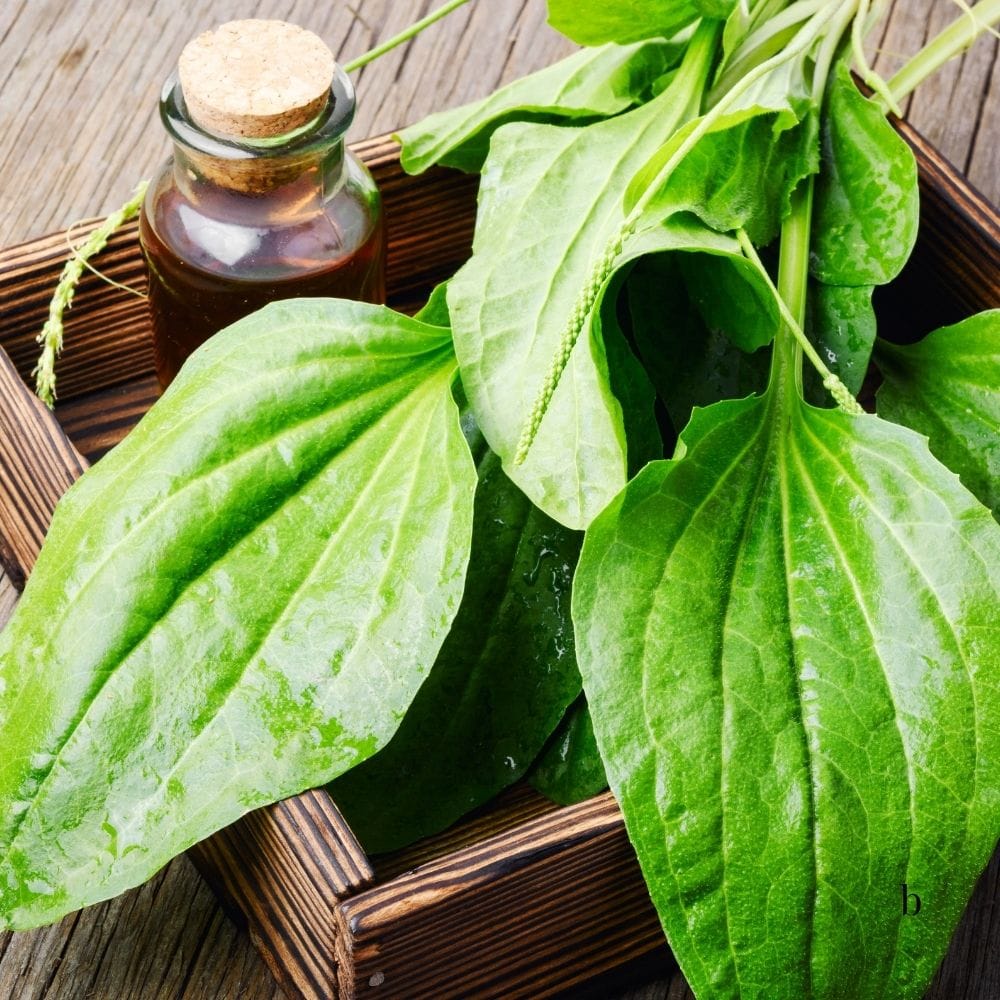
Plantain is a prolific evergreen perennial often dismissed as a common weed found in lawns, flower beds and alongside every road. Historically, this European native travelled the globe with colonialists, who unintentionally carried its seeds in their trouser hems. This earned it names like "Englishman's Foot" and "White Man's Foot". Its reputation as a "Soldier's Herb" stems from its extensive use during World War I to staunch bleeding and heal wounds when modern medicines were unavailable.
THE HERBAL KITCHEN
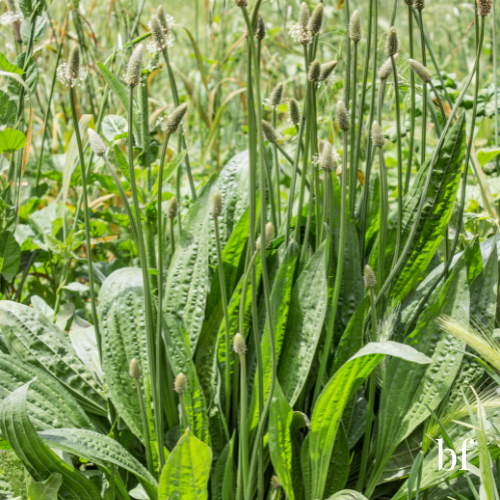
Both P. major and P. lanceolata are edible, offering a slightly bitter flavour profile similar to rocket. Greater plantain has a softer texture and the young leaves can be added to salads. Both species can steamed with other greens, or added to soups towards the end of cooking. The flower spikes, of Greater Plantain, can be steamed as a "poor man's asparagus" or added to stir-fries. The seeds become mucilaginous when soaked, making them an excellent thickening agent for overnight puddings or an egg replacement in vegan baking.

THE HERBAL APOTHECARY
This herb is highly valued for its ability to treat respiratory ailments and digestive issues. Historically, it has been a primary remedy for staunching bleeding treating burns and drawing out splinters, boils and infections from the skin. In the UK it is a popular traditional treatment for heavy menstruation.
Some herbalists prefer P. major for internal digestive support and P. lanceolata for respiratory relief, but both species are generally used interchangeably
BOTANICAL BEAUTY
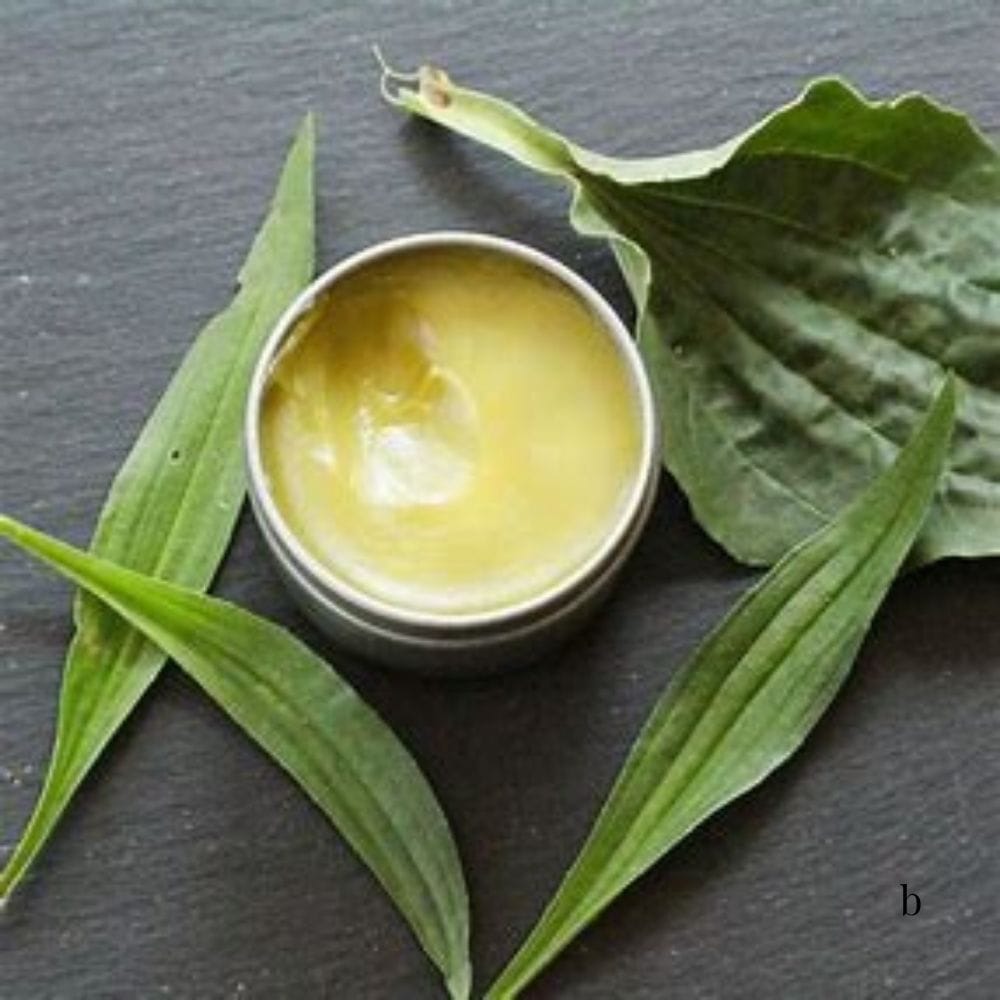
Plantain is a staple in natural skincare, commonly used to create soothing ointments and oils for dry skin. Its healing properties make it effective for managing acne breakouts when applied as a face mask.
THE GARDEN
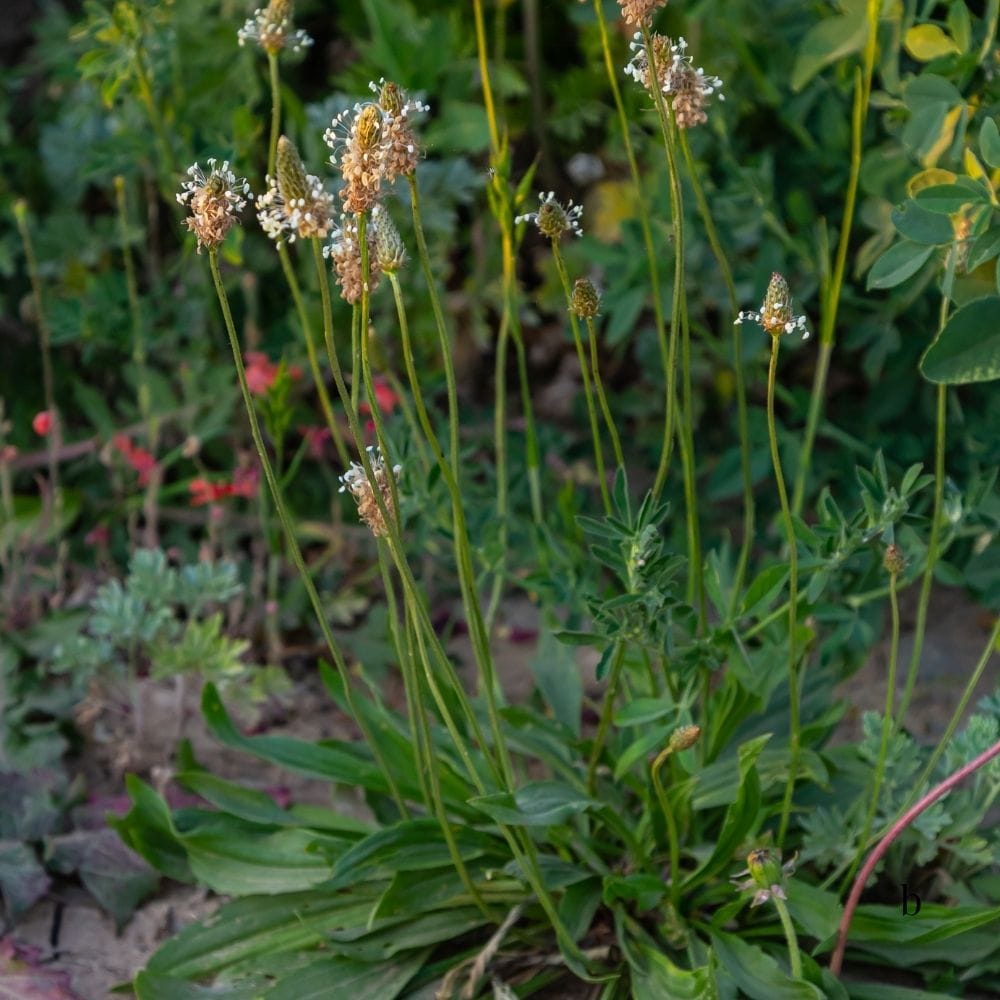
In the garden, it is an exceptionally hardy plant that grows in almost any soil condition, provided it is not waterlogged. To keep it from becoming invasive, it is essential to remove the flower spikes before they self-seed, as a single spike can produce roughly 15,000 minute brown seeds.
WHY YOU SHOULD GROW THIS HERB
While many view Plantain as a nuisance, it is a plant of immense utility that deserves a place in any garden. Its incredible resilience allows it to thrive where other plants might fail, providing a constant, year-round source of medicinal and culinary material right at your doorstep. By leaving it in, you are preserving a piece of ancestral healing wisdom and a versatile emergency herb that can treat everything from a kitchen burn to a chesty cough. Just remember to harvest the flower spikes early to enjoy its benefits without letting it over-run your beds!
RECIPES
From the kitchen to the garden shed, follow these links for step-by-step guides using Plantain
The Apothecary
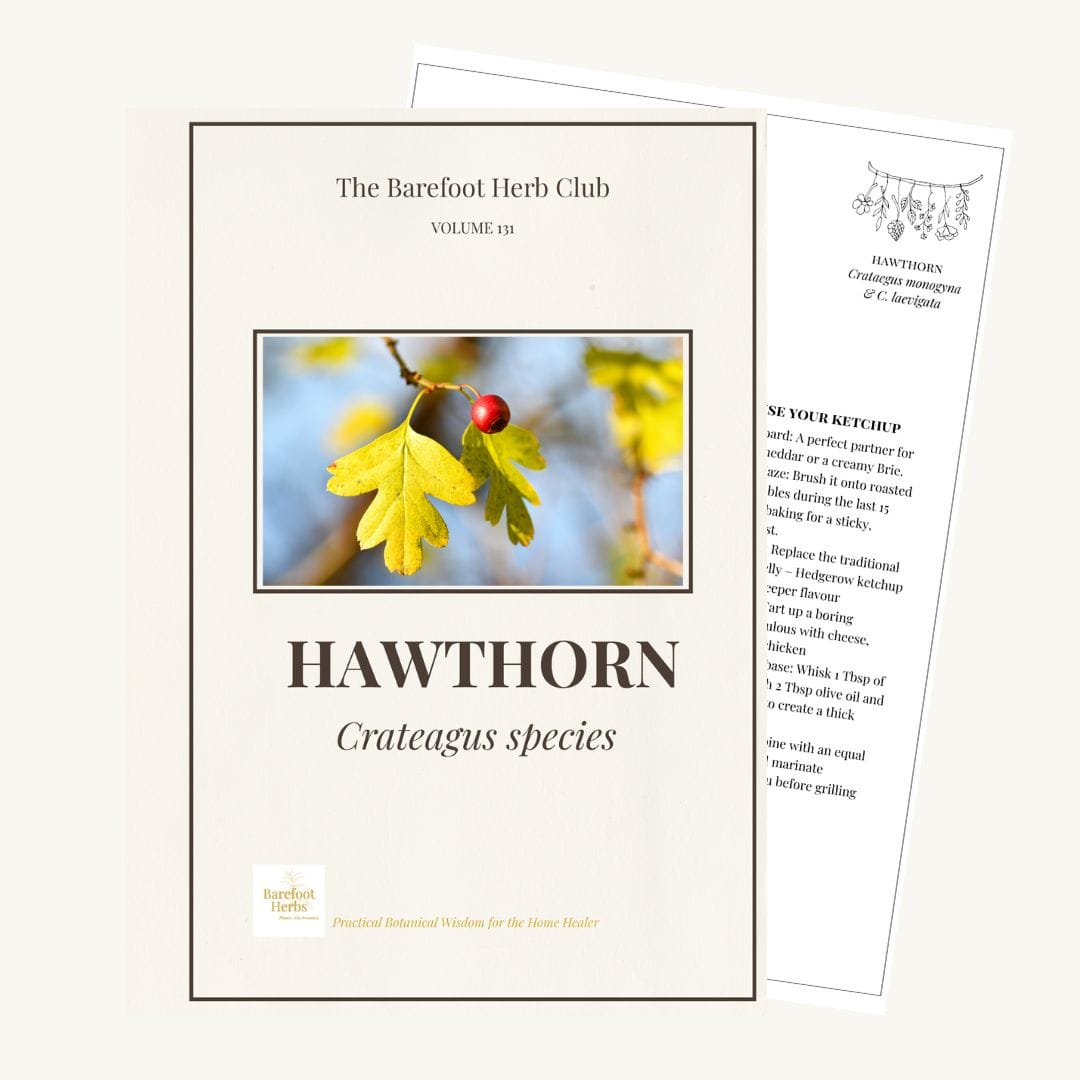
UNLOCK THE FULL MASTER GUIDE
For the deep dive—including botanical etymology, ancestral history, and the complete medicinal and functional archive for Plantain—look for the Barefoot Herb Guide here:
Weeds Volume 1
JOIN THE BAREFOOT HERB CLUB
Never miss a guide! Whether we are exploring common garden "weeds," exotic spices, or indigenous treasures, you can get every weekly update delivered to your inbox for less than the cost of a cup of coffee!
Practical wisdom for every home, garden, and apothecary.
Receive a New Edition every week
Library Categories

"I'm Sharon. I've spent 25 years helping people remember the old ways of healing. (Read More....)

Preserving ancestral plant wisdom for the
Home Healer


