Pyrethrum
Tanacetum cinerariifolium
FLOWER
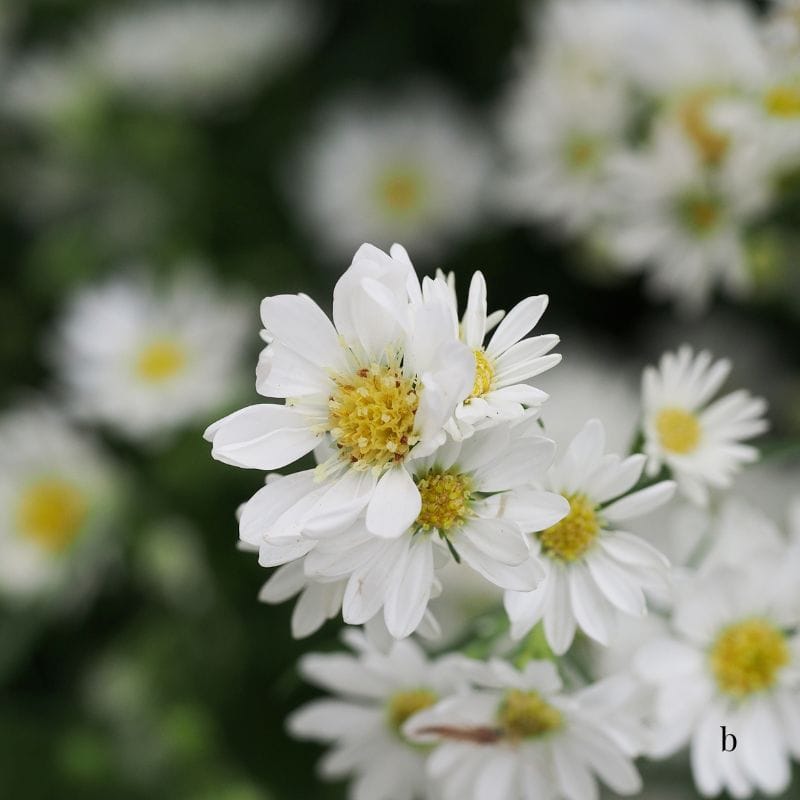
"To a herbalist, a herb is any plant that does more than just look pretty."
Pyrethrum has a long-standing legacy as a prized pesticide across many civilizations, with records indicating that Ancient Egyptians even utilized it for fevers and headaches. It was first introduced to Europe in the 18th century by botanists studying Middle Eastern flora. Its popularity grew rapidly as a natural insecticide, becoming a staple for pest control in both private homes and formal agriculture. Also known by names like Persian Insect Powder and Caucasian Insect Flower, its primary identity has always been tied to its potent ability to repel insects.
THE HERBAL KITCHEN
While Pyrethrum has historical medicinal applications, the plant is toxic. Ingestion or improper use can lead to severe symptoms, including respiratory failure, intense vomiting, and diarrhea. It is also known to cause significant skin irritation in some individuals.
THE NATURAL HOME
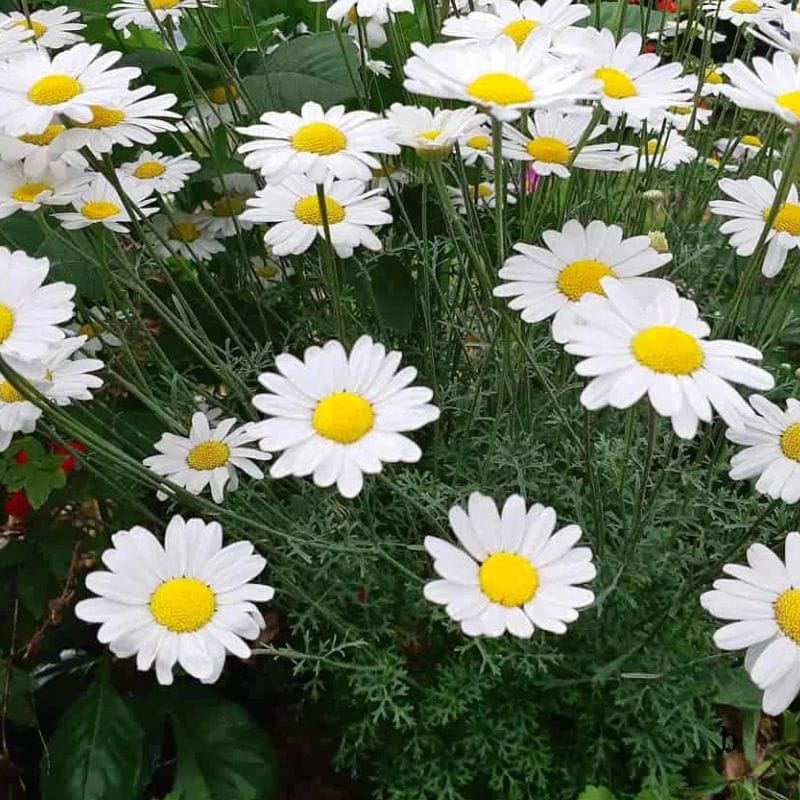
In the home, Pyrethrum serves as an incredibly effective natural disinfectant and cleaning aid. It is a fast-acting, contact insecticide that paralyzes and kills a wide variety of domestic pests, including flies, mosquitoes, ants, and cockroaches. One can make a simple, biodegradable spray by soaking flowers in alcohol for 8–12 hours and then diluting it with water. This spray is perfect for clearing out flies or spraying around doorways to keep ants from entering the house
IN THE GARDEN
Pyrethrum acts as a powerful companion plant and a sustainable pesticide. It is effective against aphids, beetles, and ticks, helping to protect both ornamental flowerbeds and vegetable crops. The main active ingredients are concentrated in the immature seeds, so for the most potent garden spray, flowers should be harvested early in the morning just as they begin to open. Dry any extra flowers but store them in a dark place - light destroys the chemical constituents.

PETS & LIVESTOCK
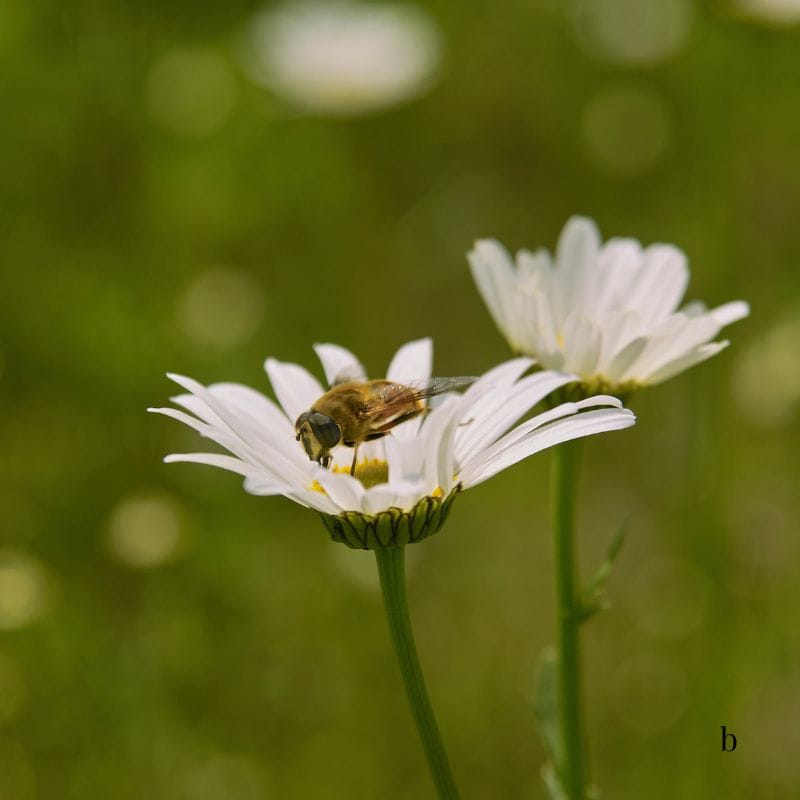
Pyrethrum is a safe and effective remedy for controlling fleas on family pets. To treat an animal, simply prepare an infusion of the flowers and pour it over their coat. Because flea eggs hatch in cycles, the treatment should be repeated after three days to break the cycle completely. For total success, it is also recommended to spray the infusion on carpets and pet bedding.
WHY THIS HERB IS A MUST FOR YOUR GARDEN
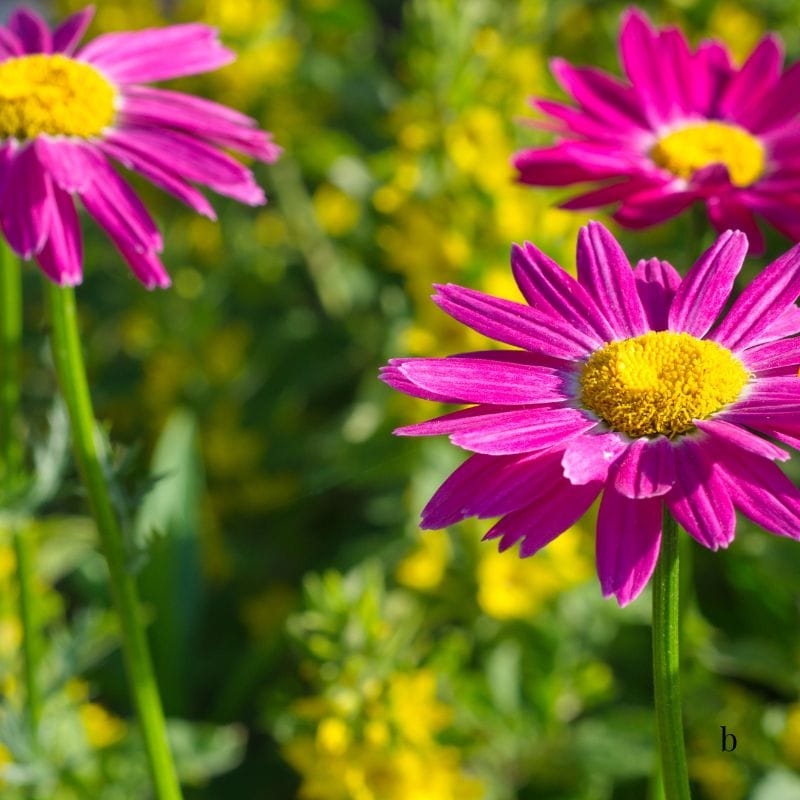
Next to khakibos, pyrethrum is probably one of the most effective insect repellent, and it certainly looks much prettier - there is even a beautiful pink variety.
It is an easy-to-grow perennial that requires very little attention once established and looks wonderful in a flower bed.
UNLOCK THE FULL MASTER GUIDE
For the deep dive—including botanical etymology, ancestral history, and the complete medicinal and functional archive for Pyrethrum look for the Barefoot Herb Guide here:
Flowers Volume 1

JOIN THE BAREFOOT HERB CLUB
Never miss a guide! Whether we are exploring common garden "weeds," exotic spices, or indigenous treasures, you can get every weekly update delivered to your inbox for less than the cost of a cup of coffee!
Practical wisdom for every home, garden, and apothecary.
Receive a New Edition every week
Library Categories

"I'm Sharon. I've spent 25 years helping people remember the old ways of healing. (Read More....)


Preserving ancestral plant wisdom for the
Home Healer


