Sage
Salvia officinalis
CULINARY HERB

"Why should a man die when sage grows in his garden?" — Ancient Roman Proverb
The name Salvia comes from the Latin word salvere, meaning "to be in good health," a reputation this herb has maintained for centuries. The Romans held sage in such high regard for its perceived powers of immortality that they gathered it with elaborate ceremonies involving clean white clothes and offerings of bread and wine.
Throughout the Middle Ages, it was revered as the "Herb of Wisdom," believed to sharpen the memory and strengthen the brain. Its historical value was so immense that Chinese traders were once willing to trade three chests of their finest tea for just one chest of dried sage.I
THE HERBAL KITCHEN
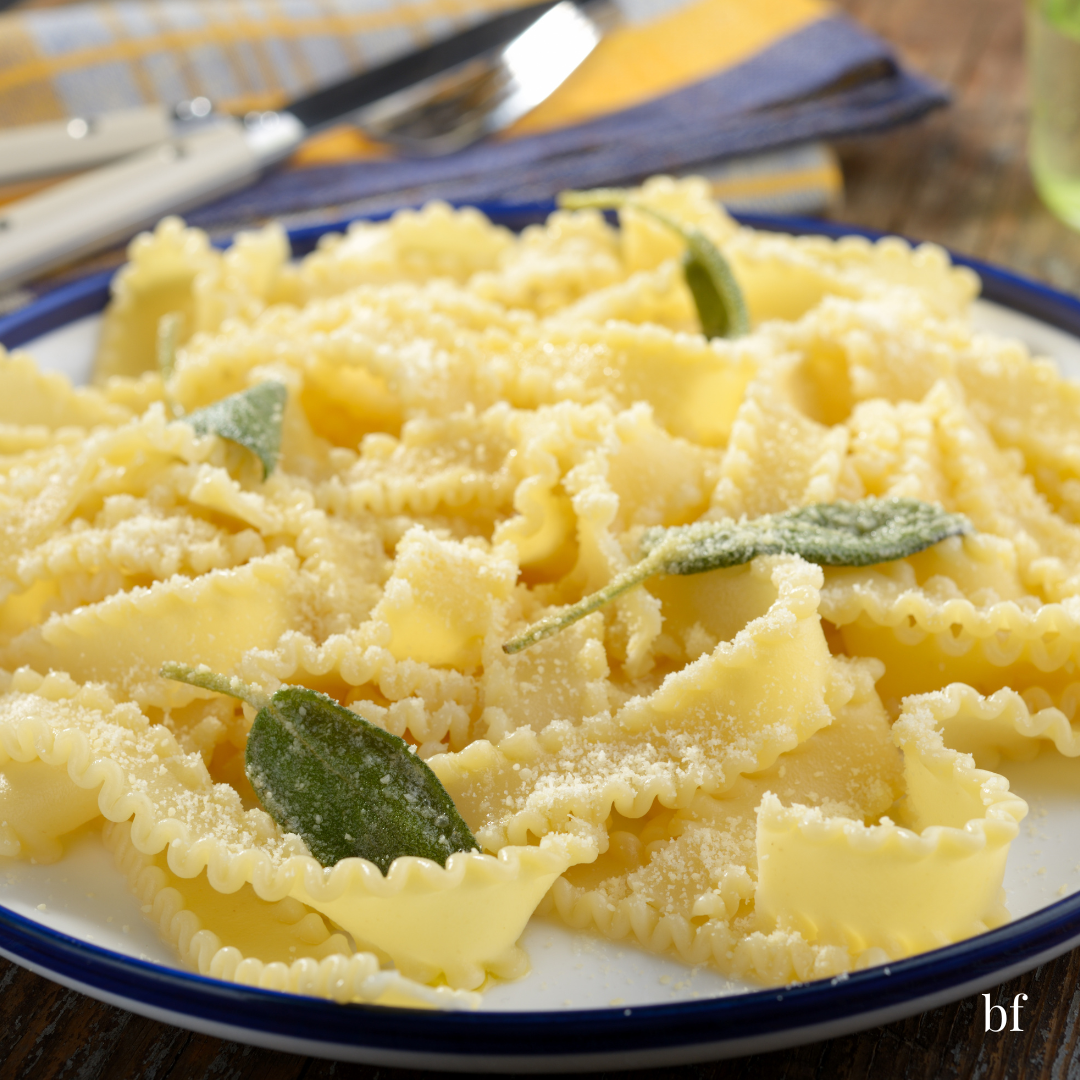
Sage possesses a strong, earthy flavor that acts as a natural preservative, making it a staple for stews, sausages, and fatty meats like lamb or goose. While it is often part of the classic culinary "big five" alongside parsley and rosemary, it truly shines when allowed to stand alone in a simple burnt sage butter.
Fresh leaves are preferred as the dried version can become bitter over time, but they can be used to uplift everything from pumpkin risotto to savory apple scones.
For a quick kitchen win, try tossing crispy sage leaves with gnocchi or using them to flavor a rich cheese sauce
THE HERBAL APOTHECARY
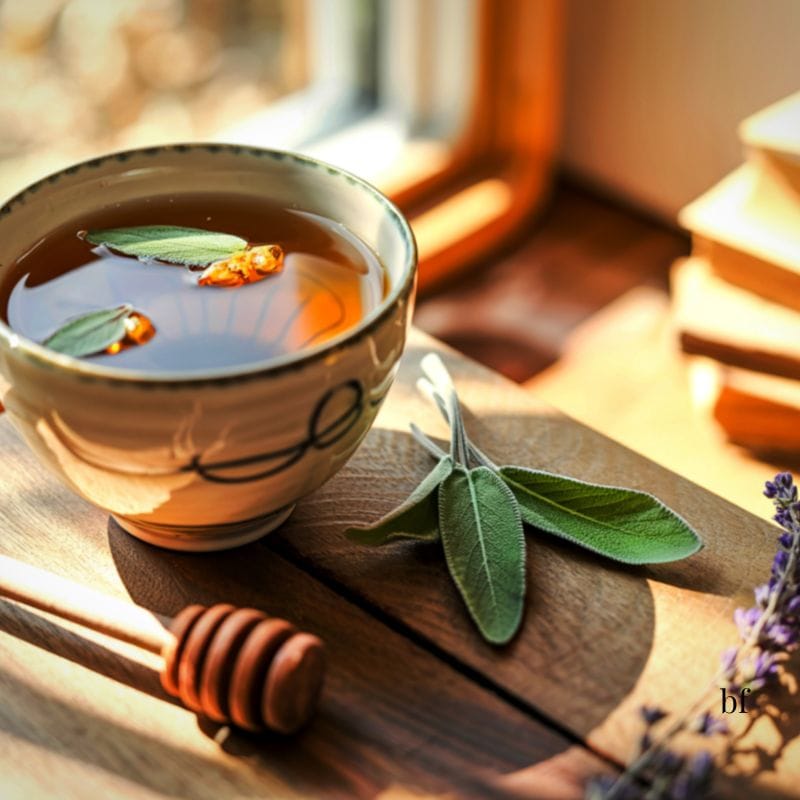
Medicinally, sage is often referred to as a medicine box on its own due to its remarkably broad range of therapeutic applications. It is widely recognized for its ability to help manage menopausal hot flushes and acts as an excellent digestive aid for heavy meals. Its powerful antiseptic and astringent qualities make it a go-to remedy for soothing sore throats and mouth ulcers when used as a tea or gargle.
Recent studies have even begun to support the ancient belief that it can improve cognitive function and memory retention in older adults
BOTANICAL BEAUTY
Sage is a legendary treatment for hair, particularly for brunettes, as it naturally darkens the hair while adding a healthy shine.
It is frequently used in homemade beauty formulations, including acne-fighting facial scrubs and soothing aftershaves. Its antiseptic qualities make it a useful addition to natural toothpastes and throat washes, as noted by historical herbalists like Culpeper.
Additionally, sage-infused oils can be used to create nourishing lip balms that protect the skin while carrying the herb's clean, herbal scent.

THE NATURAL HOME & GARDEN
In the garden, sage is a hardy evergreen perennial that prefers a sunny, well-drained spot and is famously easy to grow, preferring to be ignored rather than over-loved.
It serves several practical roles around the house, where dried bundles can be used as aromatic room fresheners or natural insect repellents in linen cupboards.
Because plants can occasionally die off unexpectedly after a few years, it is often wise to plant two or more to ensure a steady supply for your apothecary. The beautiful grey-green foliage and purple flowers also make it an attractive ornamental addition to any water-wise landscape.
RECIPES
From the kitchen to the garden shed, follow these links for step-by-step guides using Sage
Culinary & Spices
The Herbal Apothecary
UNLOCK THE FULL MASTER GUIDE
For the deep dive—including botanical etymology, ancestral history, and the complete medicinal/functional archive for Sage—look for the Barefoot Herb Guide here:
Culinary Herbs - Volume 1
JOIN THE BAREFOOT HERB CLUB
Never miss a guide! Whether we are exploring common garden "weeds," exotic spices, or indigenous treasures, you can get every weekly update delivered to your inbox for less than the cost of a cup of coffee!
Practical wisdom for every home, garden, and apothecary.
Receive a New Edition every week
Library Categories

"I'm Sharon. I've spent 25 years helping people remember the old ways of healing. (Read More....)


Preserving ancestral plant wisdom for the
Home Healer


