Sorrel
Rumex acetosa
CULINARY HERB
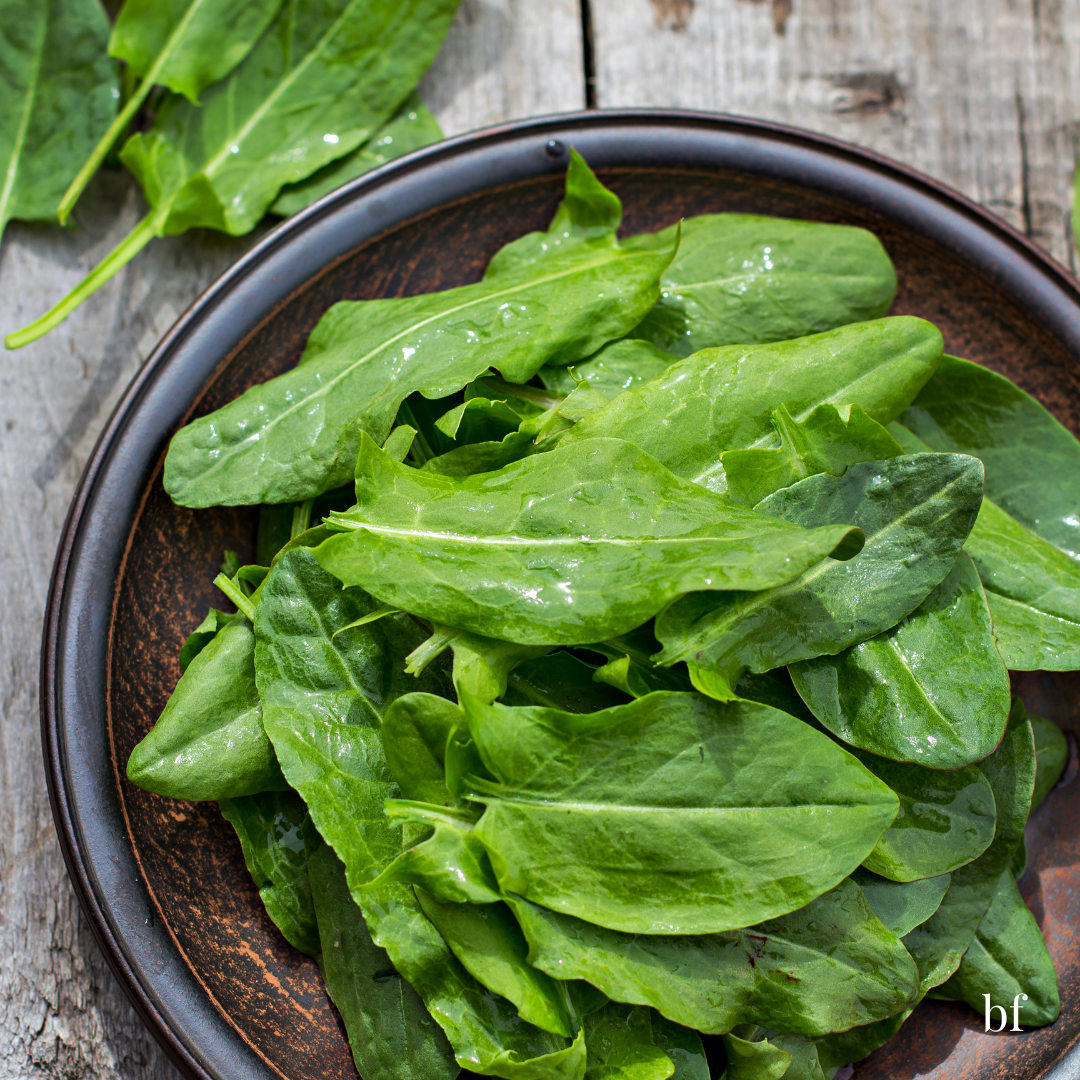
"A most wholesome pot-herbe... that quencheth thirst and stirring up an appetite,"
John Gerard,16th-century herbalist
Sorrel, also known as Garden Sorrel or "Greensauce," is an often-overlooked perennial herb that was highly popular during the Middle Ages for both culinary and medicinal purposes. It holds an important place in history, featured in extravagant sweet tarts for the court of Charles II and served as a mashed "Greensauce" for cold meats in Henry VIII's court.
Beyond the royal courts, it was a staple for peasants and haymakers who chewed the leaves to quench thirst or used it as a spring tonic to cleanse the blood after a long winter.Intro paragraph
THE HERBAL KITCHEN
Sorrel is prized for its sharp, lemony flavor, which is often combined with other ingredients that help neutralise the bitterness.
While young leaves can be eaten raw in salads or made into a pesto, the herb contains oxalic acid and is generally more palatable and safer when cooked into soups, sauces, or egg dishes.
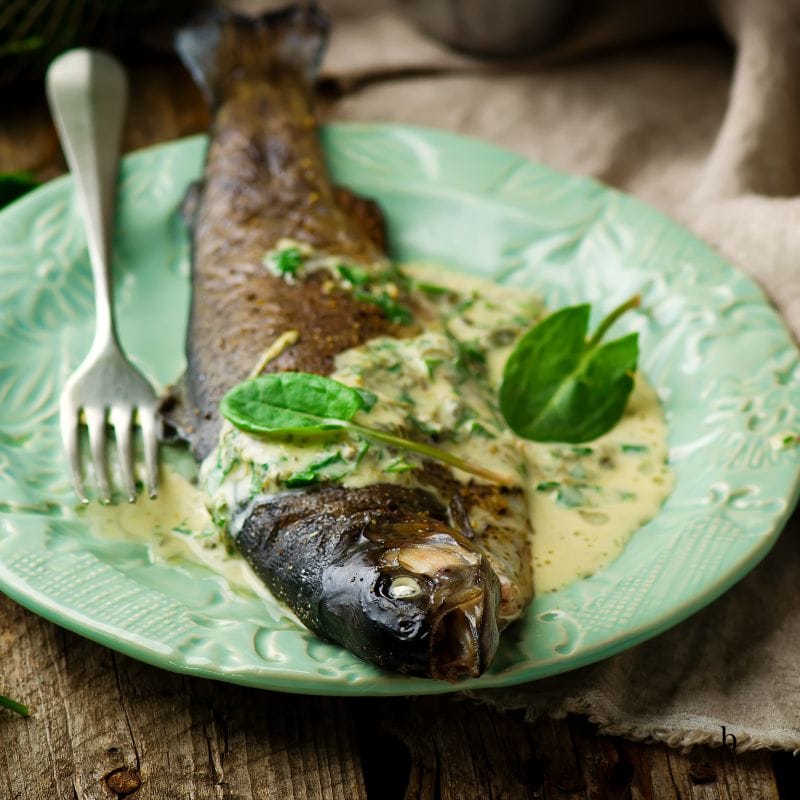
It is particularly effective when used to wrap fish or halloumi cheese before baking, as the leaves infuse the food with a lemony flavour.


THE HERBAL APOTHECARY
Primarily acting on the digestive and respiratory systems, sorrel is valued as a diuretic, mild laxative, and antiseptic rich in Vitamin C and antioxidants.
It is traditionally used in detoxifying spring tonics, as a digestive aid, and even as a gargle to treat gingivitis. However, due to its high oxalic acid content, it should be avoided as a medicine by anyone with kidney ailments, stones, or gout, and used with caution for small children.
BOTANICAL BEAUTY
As a natural astringent, sorrel is excellent for cleansing and toning the skin, particularly for those with oily complexions.
It can be easily incorporated into a beauty routine as a facial steam or a liquidized face mask to help manage acne. Its toning properties make it a simple, effective botanical ingredient for refreshing the skin, though it is not recommended for those with naturally dry skin.
THE NATURAL HOME & GARDEN
In the home, sorrel’s high acidity makes it a historical and natural choice for practical tasks like removing ink stains from linen or brightening silver and pewter.
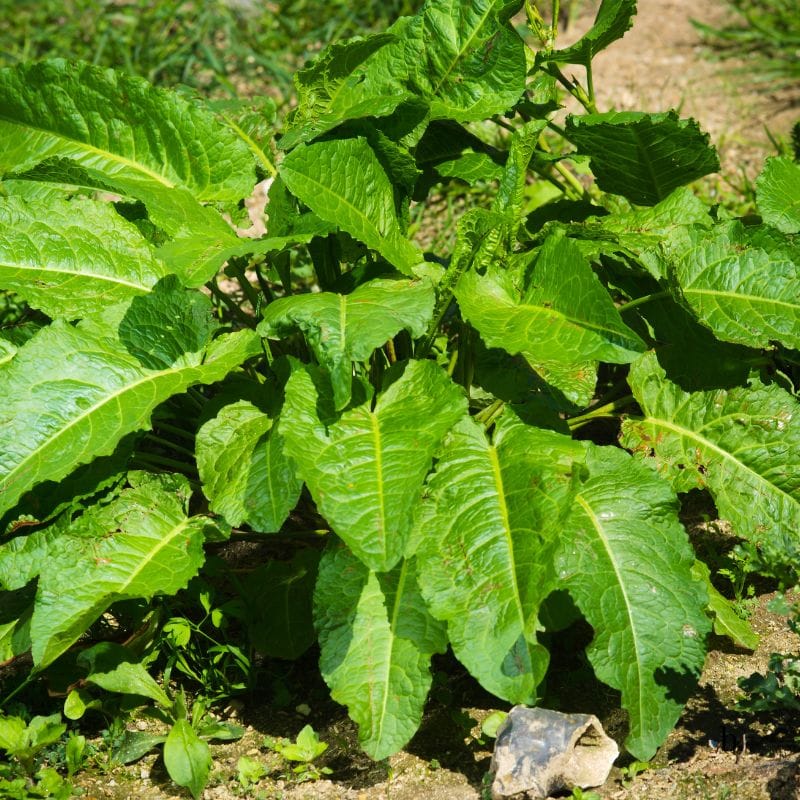
In the garden, its clump-forming nature and striking flower spikes make it a useful ornamental-edible herb that fits well into flowerbeds or herb gardens. It is a resilient plant with a long growing season, providing greenery from early spring until the first deep frosts of winter.
RECIPES
From the kitchen to the garden shed, follow these links for step-by-step guides using Sorrel
The Herbal Kitchen
12 Herbs That Are Awesome In Pesto
UNLOCK THE FULL MASTER GUIDE
For the deep dive—including botanical etymology, ancestral history, and the complete medicinal and functional archive for Sorrel—look for the Barefoot Herb Guide here:
Culinary - Volume 1
JOIN THE BAREFOOT HERB CLUB
Never miss a guide! Whether we are exploring common garden "weeds," exotic spices, or indigenous treasures, you can get every weekly update delivered to your inbox for less than the cost of a cup of coffee!
Practical wisdom for every home, garden, and apothecary.
Receive a New Edition every week
Library Categories

"I'm Sharon. I've spent 25 years helping people remember the old ways of healing. (Read More....)


Preserving ancestral plant wisdom for the
Home Healer


