Winter Savory
Satureja montana
CULINARY HERB
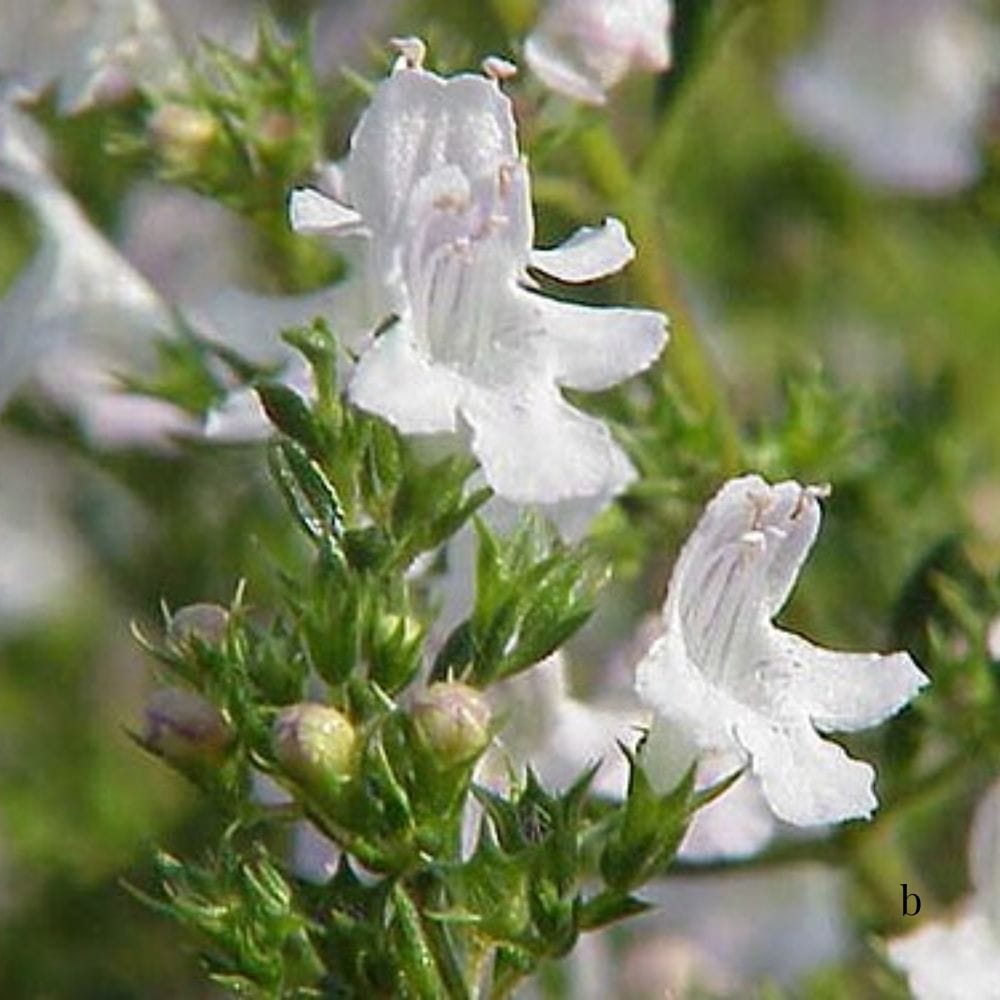
"Neither is there a better remedy for the cholic … than this herb. Keep it dry by you all year, if you love yourself and your ease."
– Nicholas Culpeper, The English Physician (1652)
Winter Savory is a hardy, semi-evergreen perennial herb native to the Mediterranean region and introduced to Britain by the Romans nearly two thousand years ago.
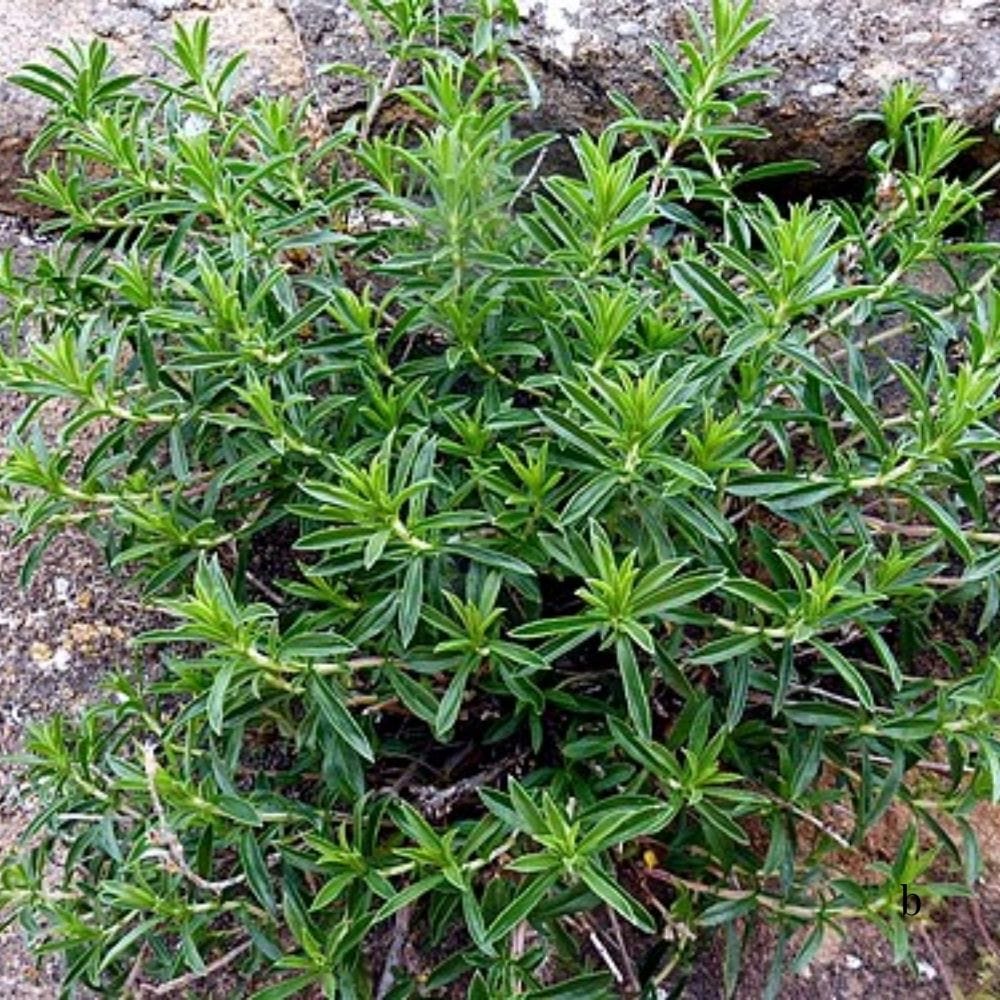
Unlike its annual counterpart, Summer Savory, it is a perennial with a tough, woody base and is resilient and reliable garden plant.
The ancient Romans valued it not only for flavouring sauces and vinegars but also for its association with passion and vitality. Because of its intense, spicy aroma, it was historically used as a strewing herb to freshen rooms and repel pests.
THE HERBAL KITCHEN
In the kitchen, Winter Savory is prized for its strong, pungent, and peppery flavour, which carries a hint of earthiness and thyme. It is frequently referred to as the "bean herb", much like summer savory, but its more robust character stands up better to long, slow cooking in hearty stews, casseroles.


THE HERBAL APOTHECARY
Historically, Winter Savory has been recognised for its carminative, antiseptic, and antimicrobial properties, acting as an effective digestive aid to relieve colic, flatulence and minor stomach upsets.
The high proportion of thymol makes it an effective herb for respiratory conditions, simply take an infusion for coughs and sore throats.
A topical poultice will soothe insect stings and minor skin irritations
THE NATURAL HOME & GARDEN
Winter Savory is an excellent companion plant for the vegetable garden, especially for beans, peas, tomatoes, and onions, where it helps to deter pests and encourage pollination.
In the home you can make the most of the strong scent and insect repelling properties by placing it into small sachets which can be kept in cupboards between your linen and clothes.
WHY THIS HERB IS A GOOD FIT FOR YOUR GARDEN
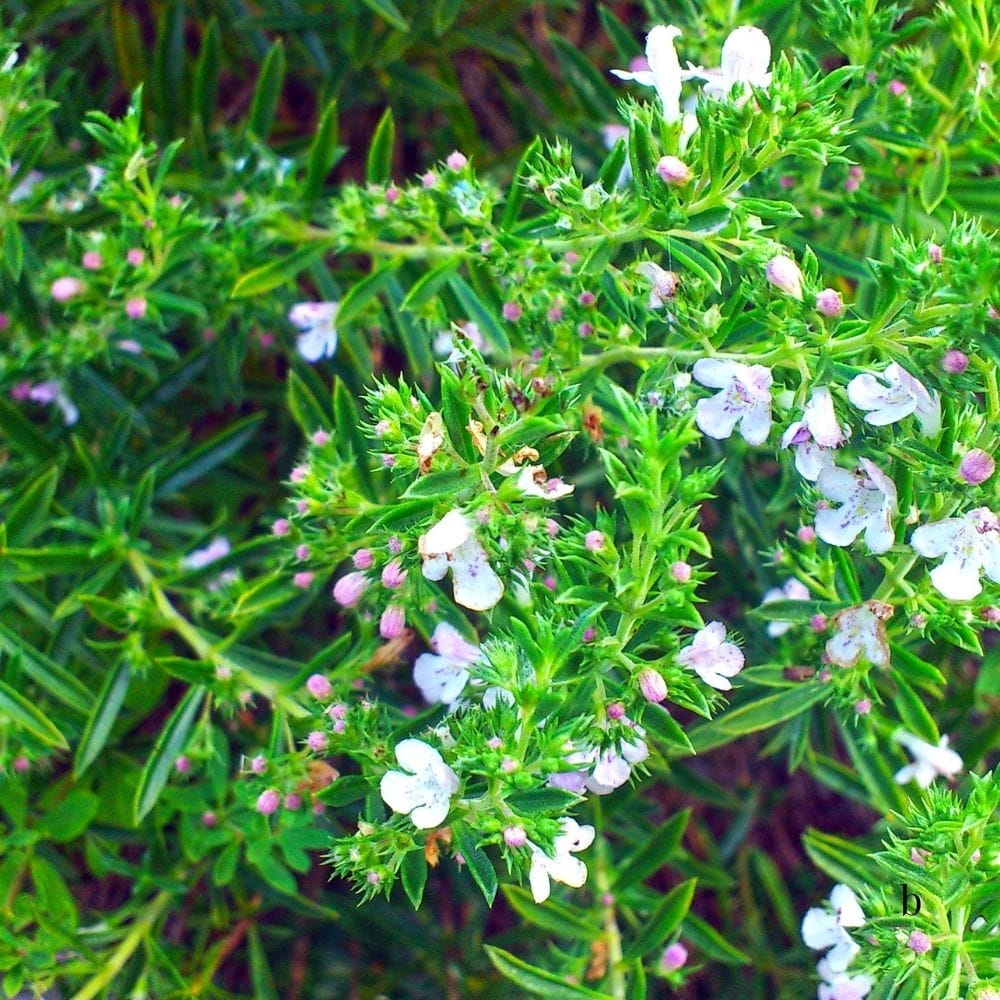
Winter savory is well named. It is the ideal herb to use when cooking stews and soups and a great companion for two winter veggies - peas and broad beans.
On top of that it is a pretty, evergreen herb that always looks lovely in the garden.
JOIN THE BAREFOOT HERB CLUB
Never miss a guide! Whether we are exploring common garden "weeds," exotic spices, or indigenous treasures, you can get every weekly update delivered to your inbox for less than the cost of a cup of coffee!
Practical wisdom for every home, garden, and apothecary.
Receive a New Edition every week
Library Categories

"I'm Sharon. I've spent 25 years helping people remember the old ways of healing. (Read More....)


Preserving ancestral plant wisdom for the
Home Healer


