Chamomile
Roman Chamomile Chamaemelum nobile
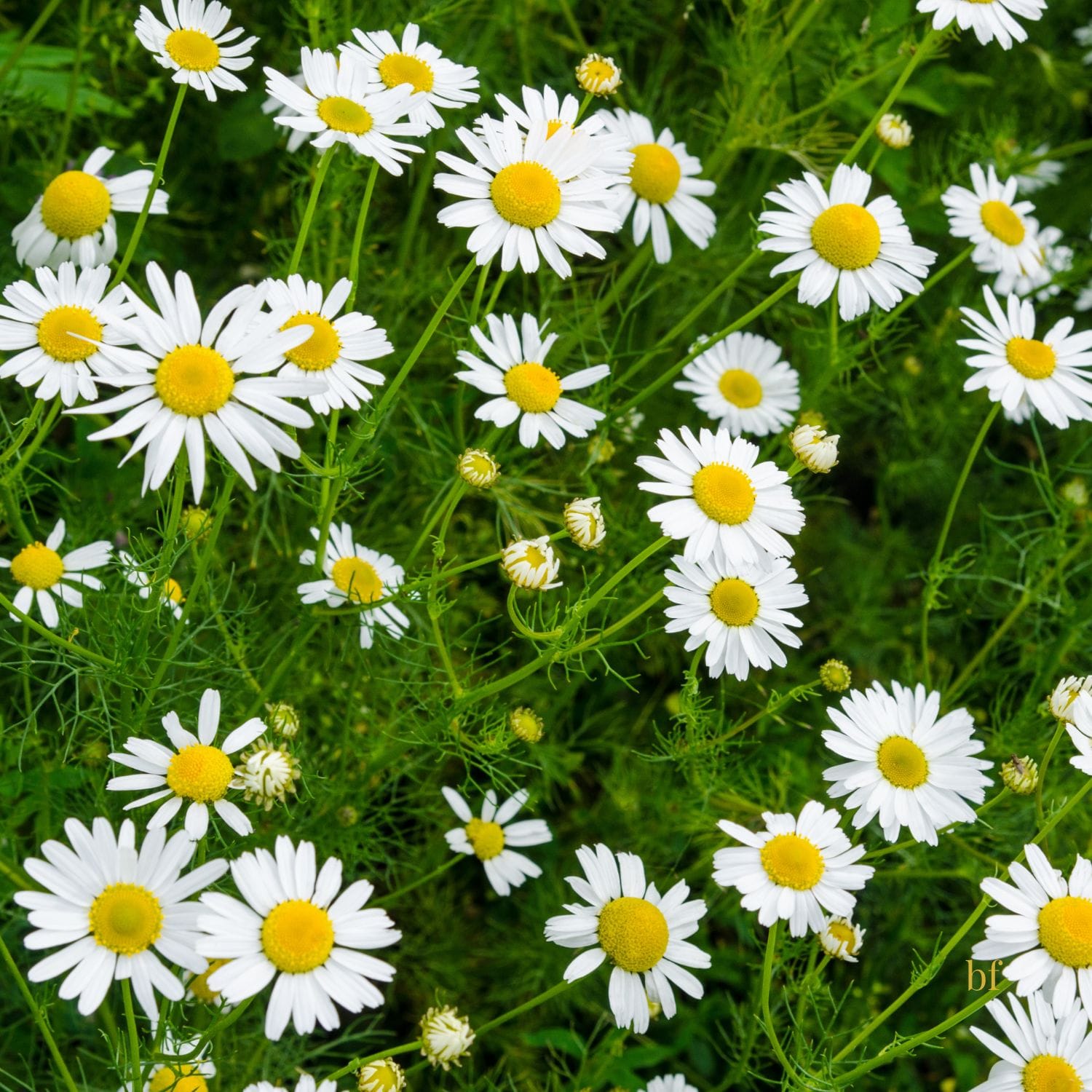
German Chamomile Chamomilla recutita
FLOWER
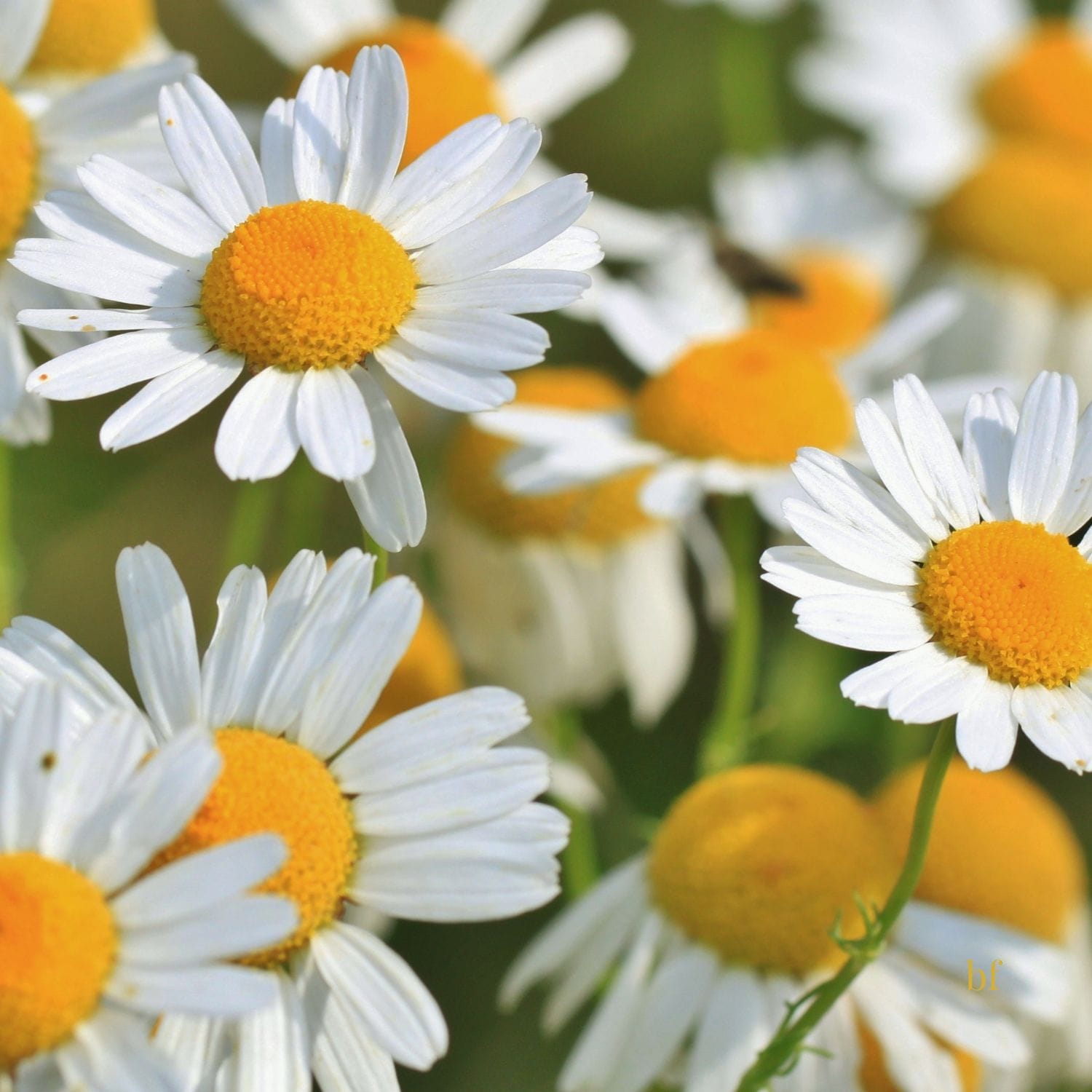
"The chamomile, the more it is trodden on the faster it grows." — William Shakespeare
To a herbalist, a herb is any plant that does more than just look pretty, and chamomile is the ultimate over-achiever. Whether you are dealing with the low-growing, mat-forming Roman variety (Chamaemelum nobile) or the upright, annual German cousin (Chamomilla recutita), you’re working with a plant steeped in ancient power.
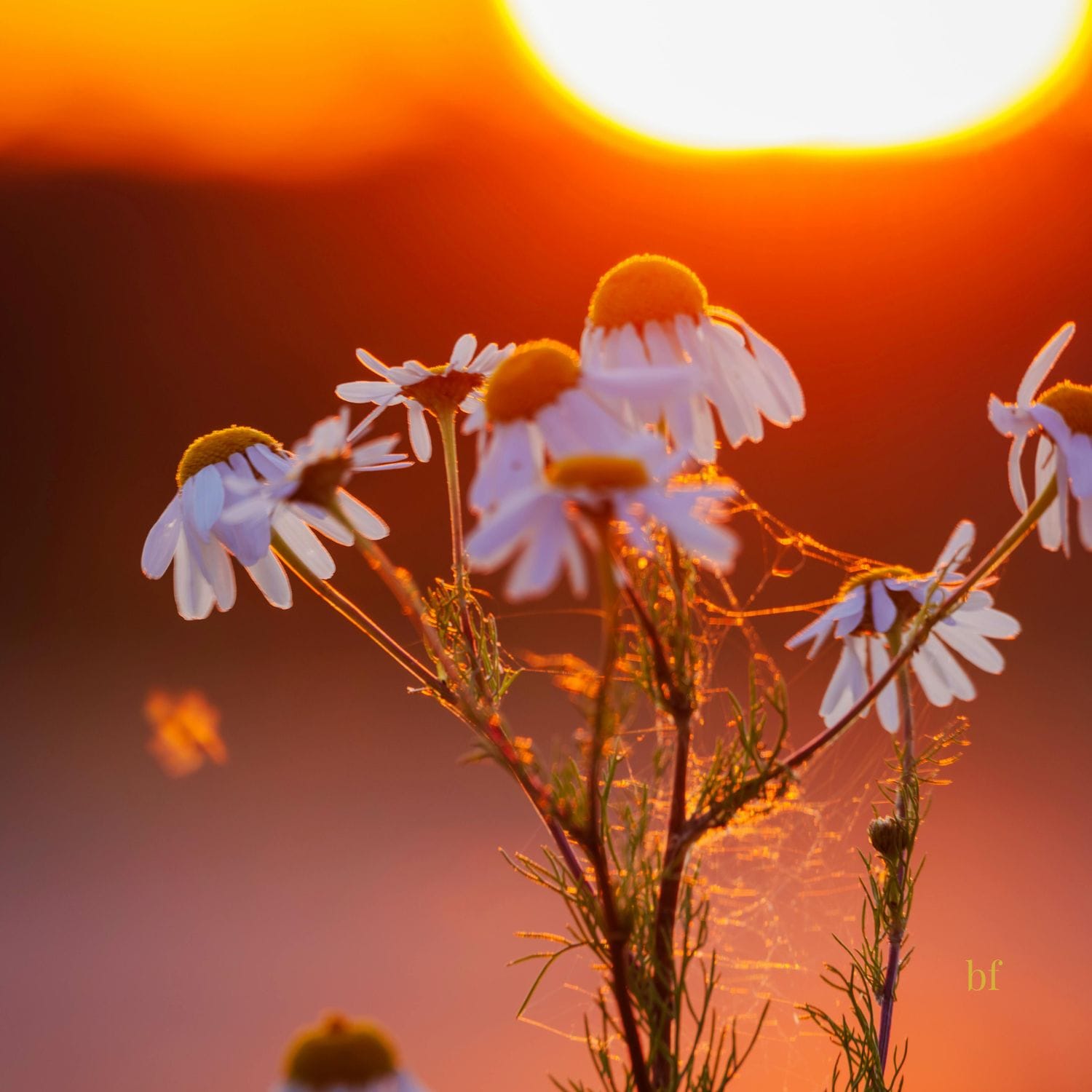
The Egyptians dedicated this flower to the sun, worshipping it above all others for its healing properties, while Norse mythology saw it as a symbol of innocence dedicated to Freya. By the Middle Ages, it was known as 'Maythen,' one of the nine sacred herbs, used to soothe everything from digestive woes to the stresses of life.
THE HERBAL KITCHEN
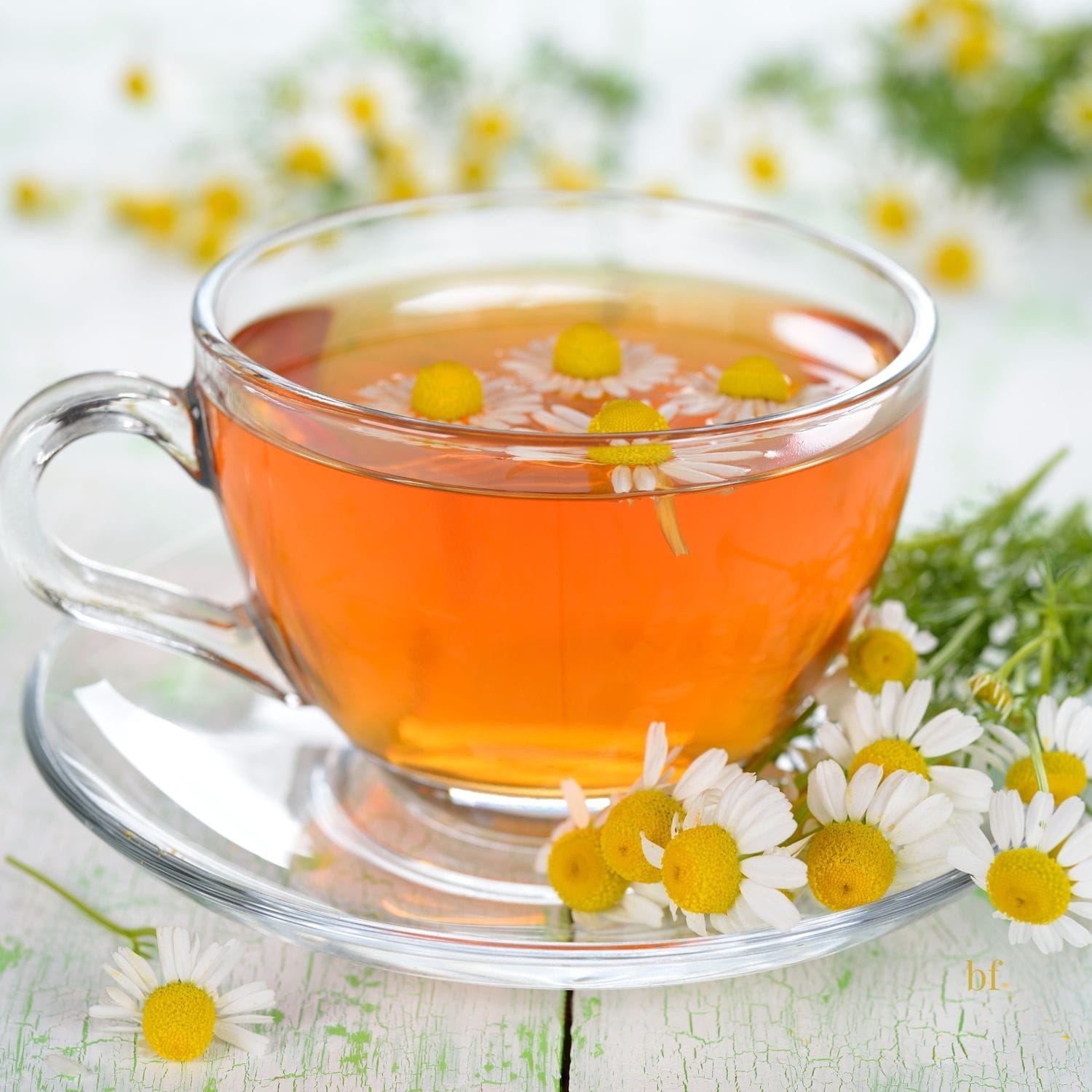
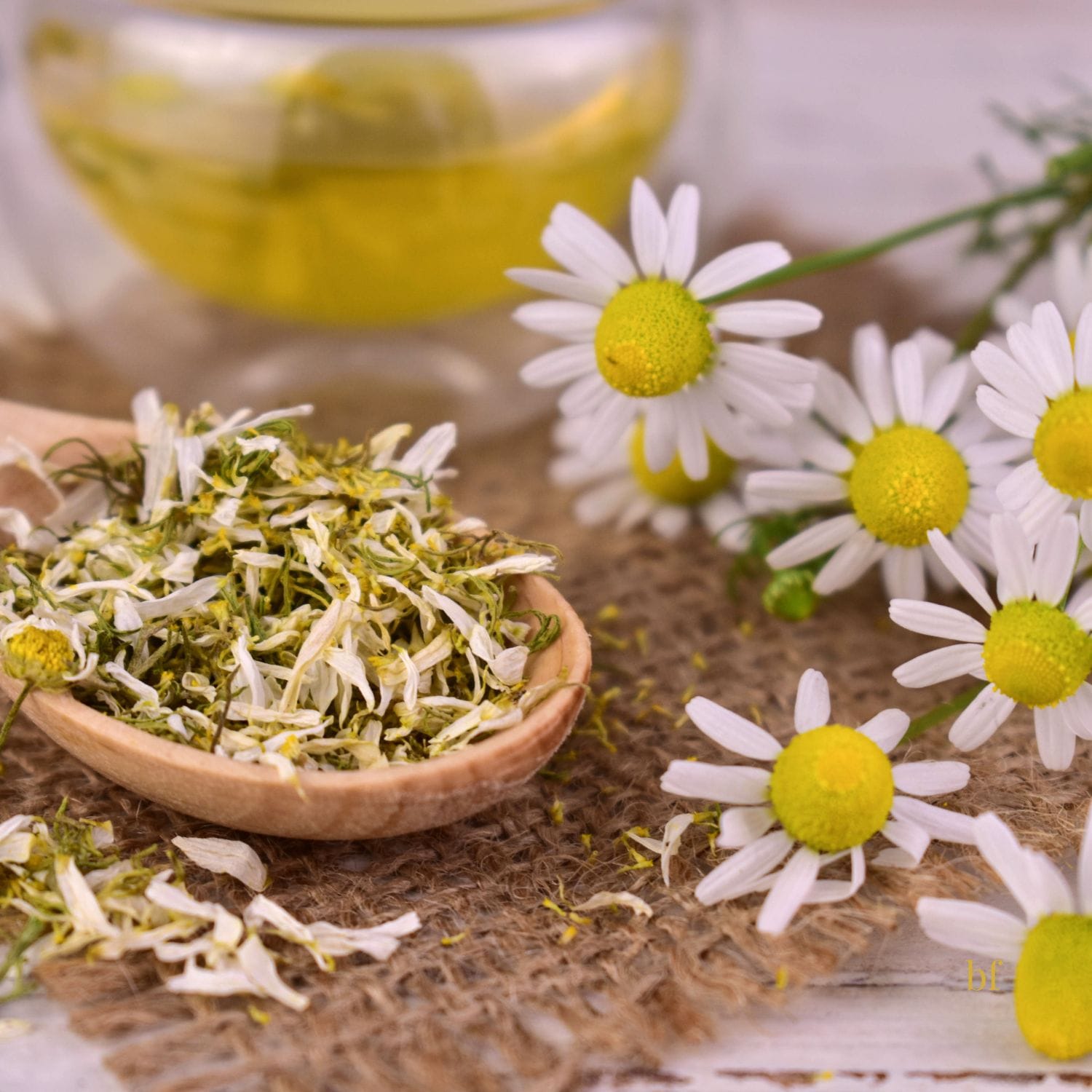
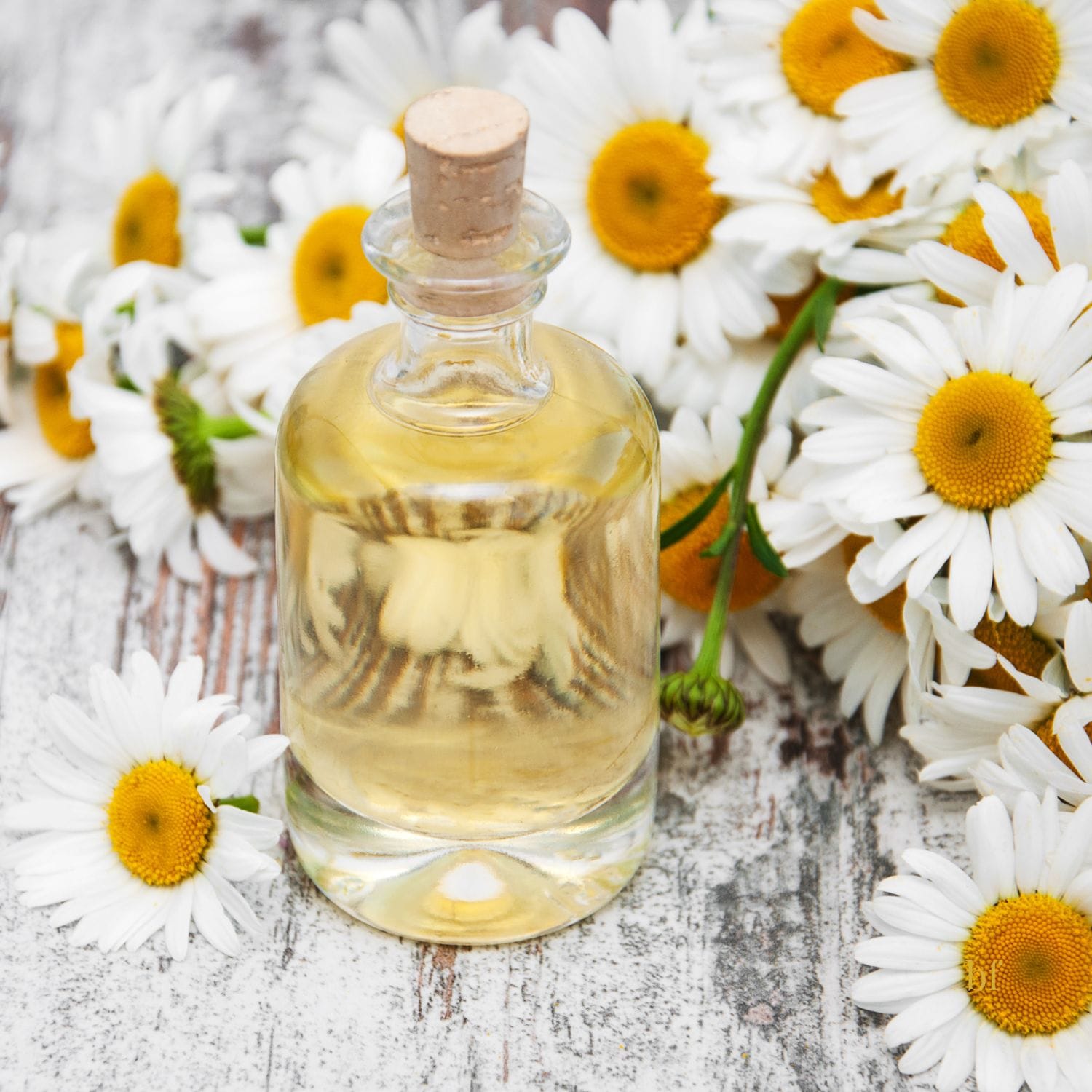
Forget those dusty, store-bought teabags; once you've tasted a single home-grown flower infused in a cup, you’ll never go back. Chamomile’s sweet, apple-like or hay-like fragrance makes it a versatile herb in the kitchen, appearing in everything from chamomile-infused milk and honey to sophisticated gin fizzes.
You can chop the flowers into butter, toss them into salads, or even infuse them into vinegar and oils to add a gentle, floral depth to your recipes
THE HERBAL APOTHECARY
Ancient Greek physicians weren't wrong when they used chamomile for anxiety, fevers and menstrual cramps. Today, we still rely on its potent powers to relieve muscle tension and soothe the nervous system.
Whether you are making a tea, a calming foot soak, or a lavender-infused cream, chamomile remains one of our most effective sedatives and anti-inflammatory allies for the body and mind
BOTANICAL BEAUTY
The Romans were the first to really lean into chamomile for skin care, and we’re still following their lead.
Its anti-inflammatory properties make it a dream for external applications, which is why it features so heavily in cleansing scrubs, toners and even homemade deodorants.
If you’ve had a long day, a chamomile eye mask or a soothing cream can take the irritation out of both your complexion and your mood!
THE NATURAL HOME & GARDEN
In the garden, chamomile is as functional as it is beautiful. Roman chamomile's creeping habit makes it the perfect choice for a fragrant 'chamomile lawn' that releases a sweet scent when stepped upon.
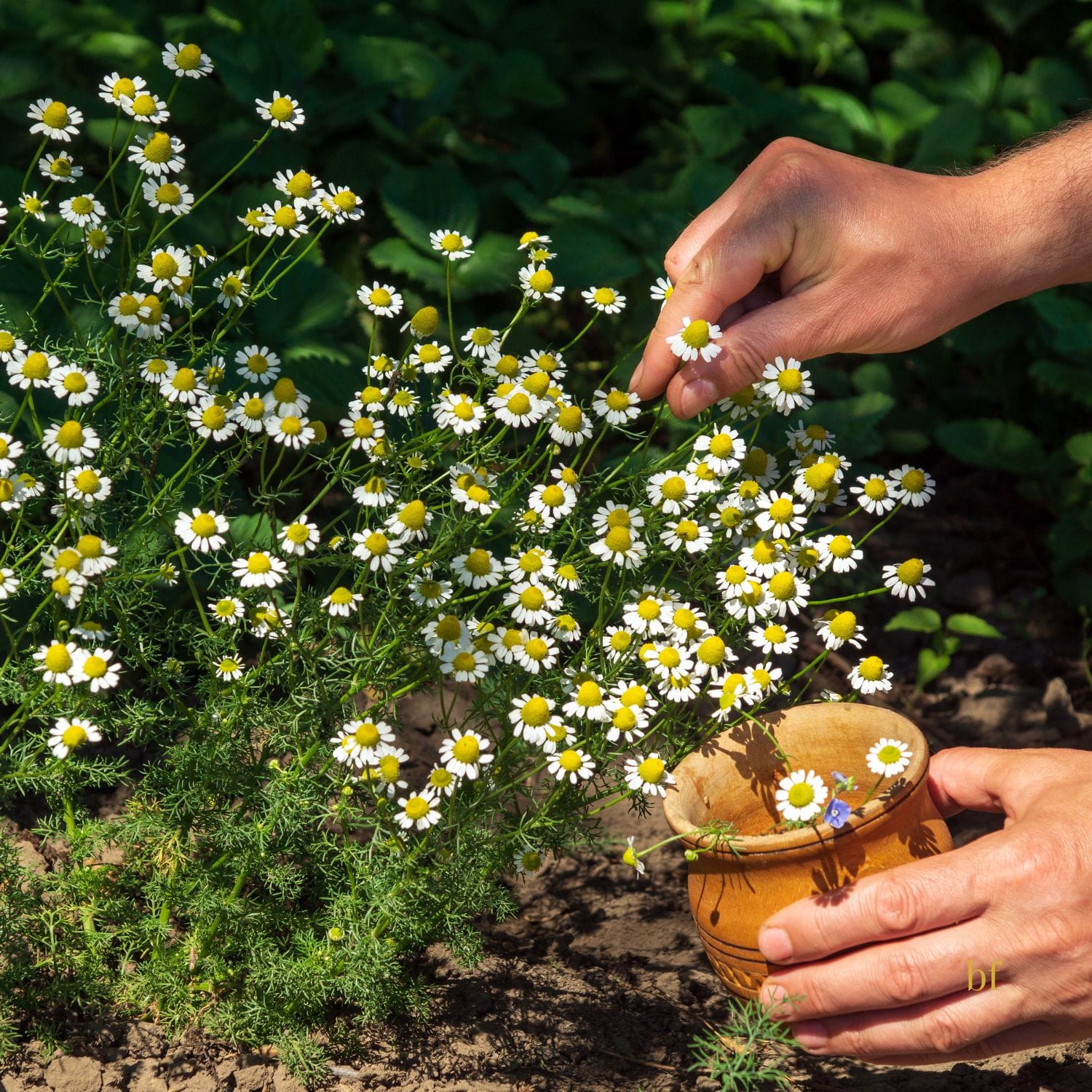
It’s a hardy little plant that thrives in full sun and well-drained soil, and the more you harvest its flowers, the more it produces.
Inside the home, it has historically been used for decoration and to bring its calming fragrance into living spaces
WHY YOU SHOULD GROW THIS HERB
Chamomile is the perfect herb for any garden because it is a giver that asks for very little in return. It acts as a physician plant, often improving the health of other plants grown near it, and its frequent flowering ensures you have a constant supply of medicine and flavour right at your doorstep.
Planting it means you're not just growing a flower; you're growing a legacy of healing, a companion for your tea, and a resilient bit of nature that truly embodies the spirit of a Home Herbalist
RECIPES
From the kitchen to the garden shed, follow these links for step-by-step guides using Chamomile
The Apothecary
Botanical Beauty
UNLOCK THE FULL MASTER GUIDE
For the deep dive—including botanical etymology, ancestral history, and the complete medicinal and functional archive for Chamomile—look for the Barefoot Herb Guide here:
Flowers Volume 1
JOIN THE BAREFOOT HERB CLUB
Never miss a guide! Whether we are exploring common garden "weeds," exotic spices, or indigenous treasures, you can get every weekly update delivered to your inbox for less than the cost of a cup of coffee!
Practical wisdom for every home, garden, and apothecary.
Receive a New Edition every week
Library Categories

"I'm Sharon. I've spent 25 years helping people remember the old ways of healing. (Read More....)


Preserving ancestral plant wisdom for the
Home Healer


