Corn
Zea mays
GRAIN
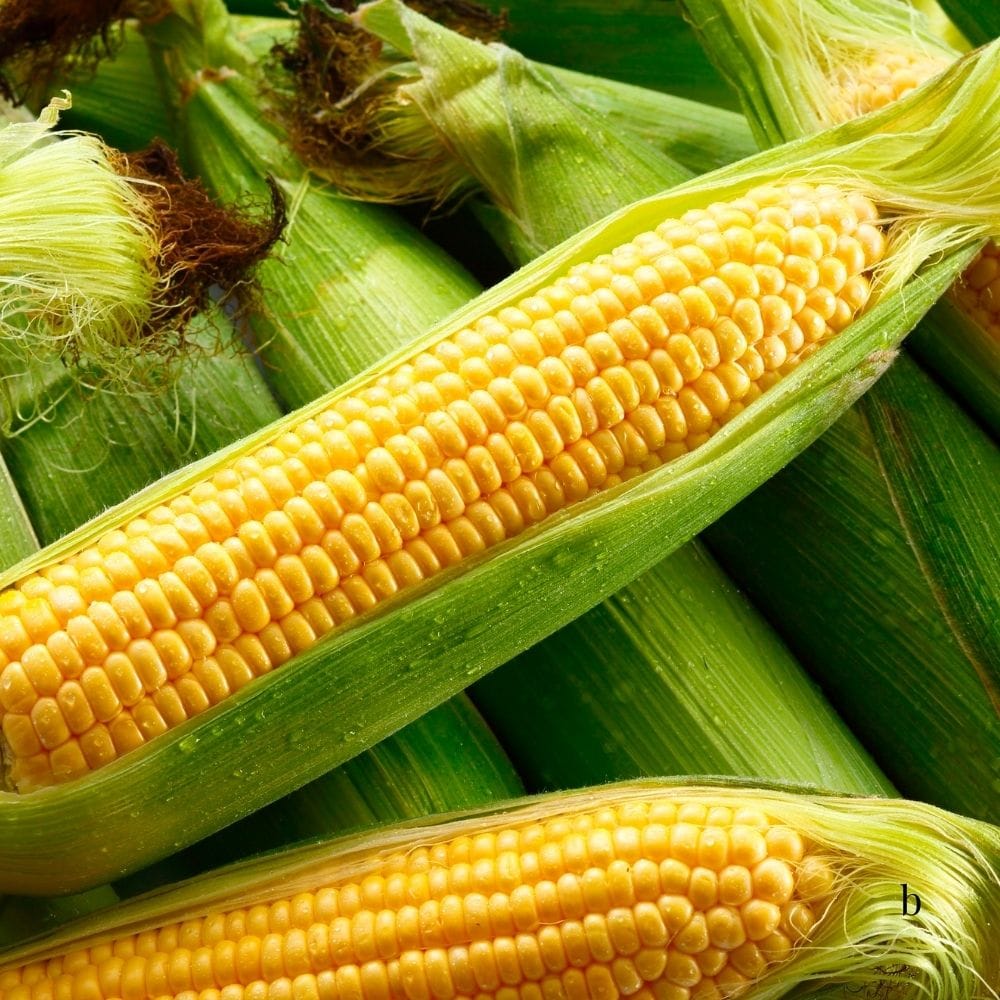
"This Corne nourishes farre better than the Wheat, Beane, or Pease."
– John Gerard, The Herball or Generall Historie of Plantes (1597)
Corn (Zea mays), commonly known as maize, was domesticated by indigenous peoples in Mesoamerica nearly 9,000 years ago, evolving from a wild grass into the robust grain we know today.
It spread throughout the Americas, becoming a cultural and nutritional pillar for many civilisations. Brought to the rest of the world during the Age of Discovery, it quickly established itself as a resilient and high-yielding crop that has sustained generations of families and their livestock.
THE HERBAL KITCHEN
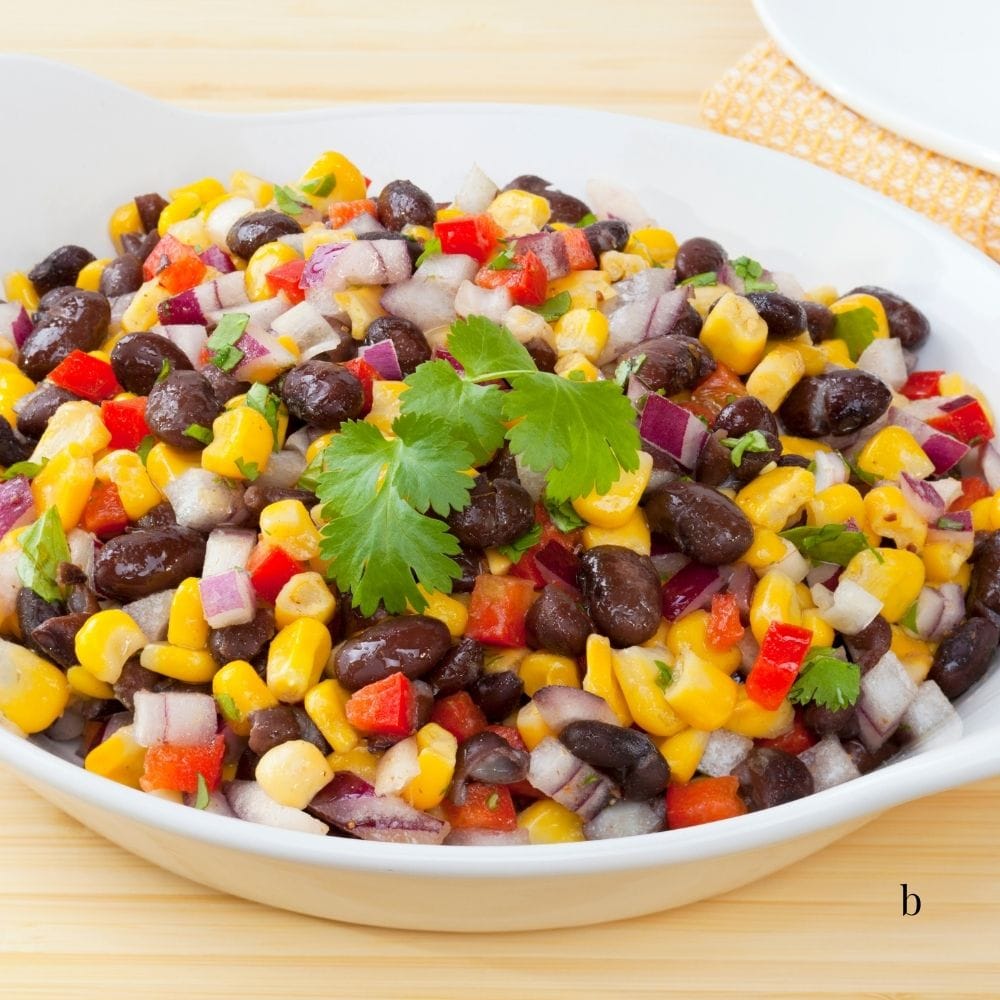
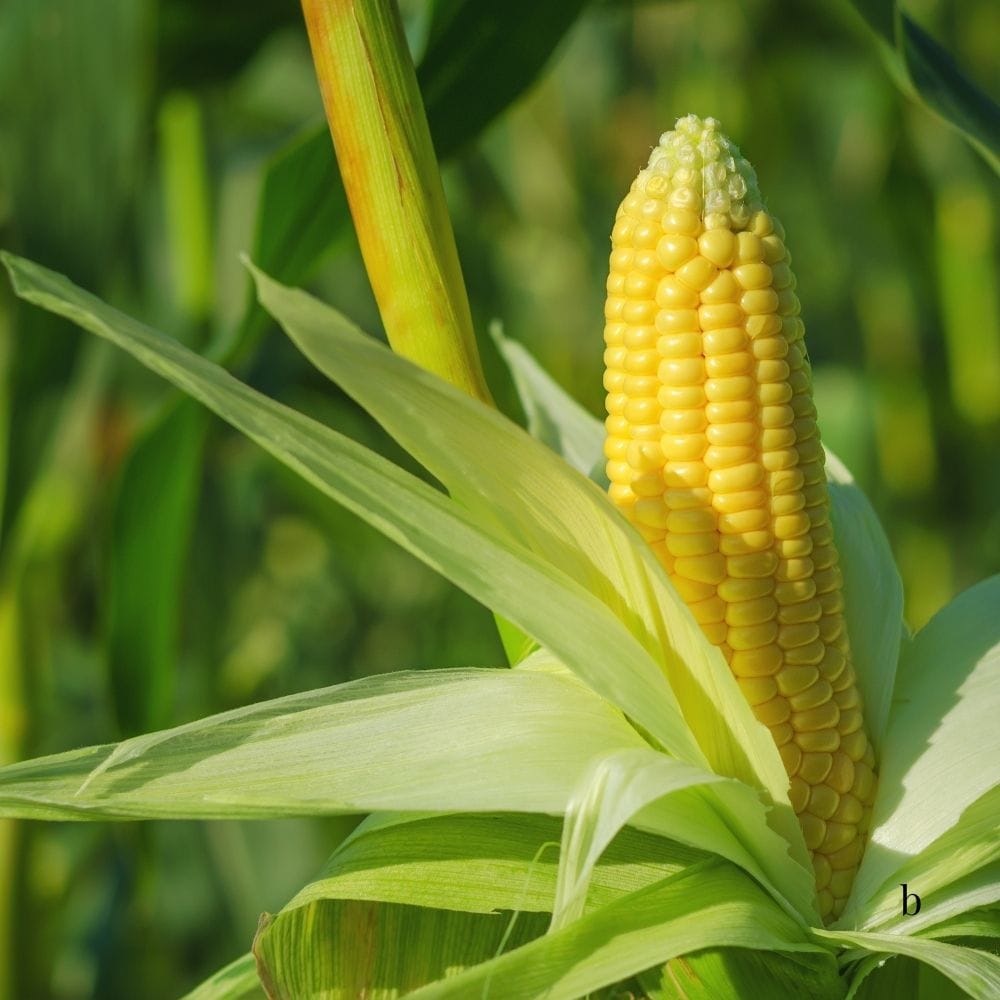
Corn is incredibly versatile in the kitchen, offering both sweetness and texture to a wide array of dishes. The kernels can be boiled, steamed, or roasted, and are used in everything from porridge to breads and traditional mielie bread. The husks serve as an aromatic wrapper for tamales or a steaming bed for vegetables. The guide also features a spicy corn and chilli relish that is perfect for a braai, as well as a sweet cornsilk syrup which is something a bit different for your pancakes!
THE HERBAL APOTHECARY
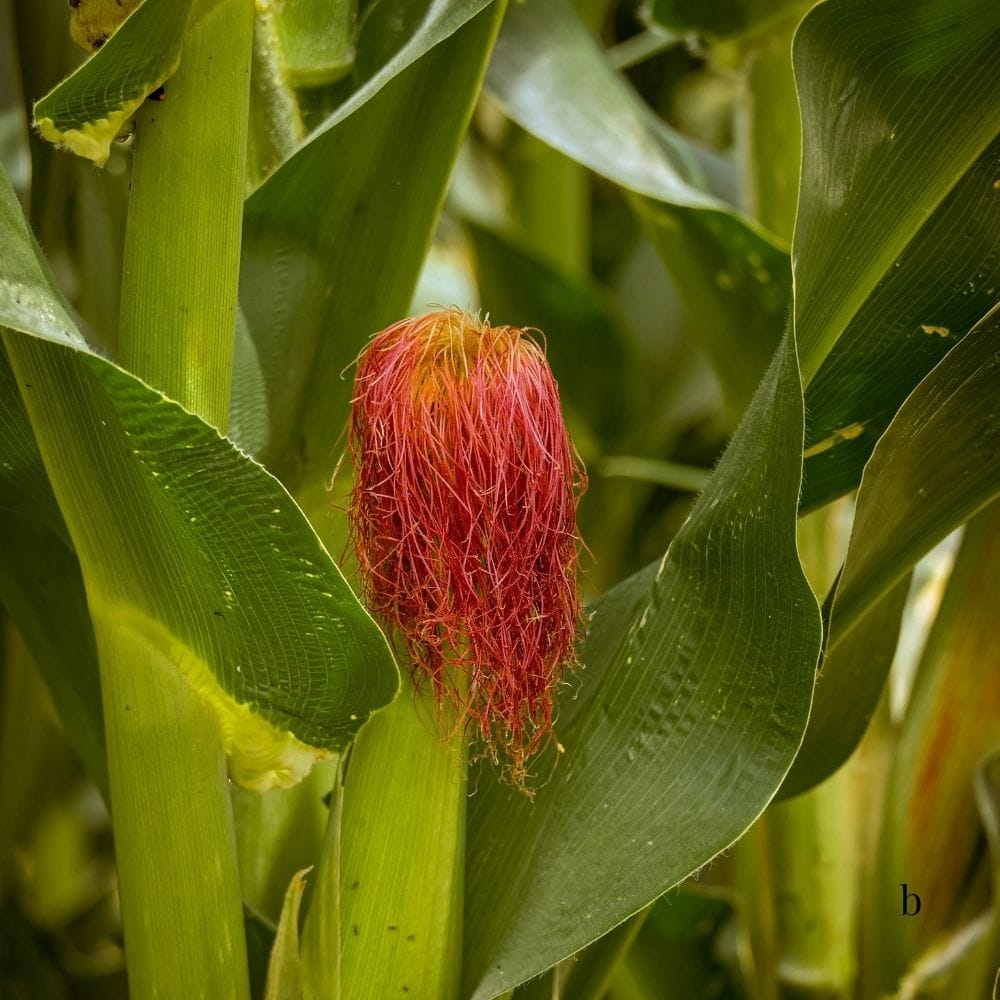
In herbal medicine, corn is much more than a food staple; it is a master of fluid balance. The silk of the corn cob acts as a soft, mucilaginous remedy targeted toward the urinary system. It soothes heat and irritation while gently encouraging the release of excess fluids. The guide outlines remedies for kidney stone teas, bladder ease teas, and a corn and aloe poultice for soothing the body.
BOTANICAL BEAUTY
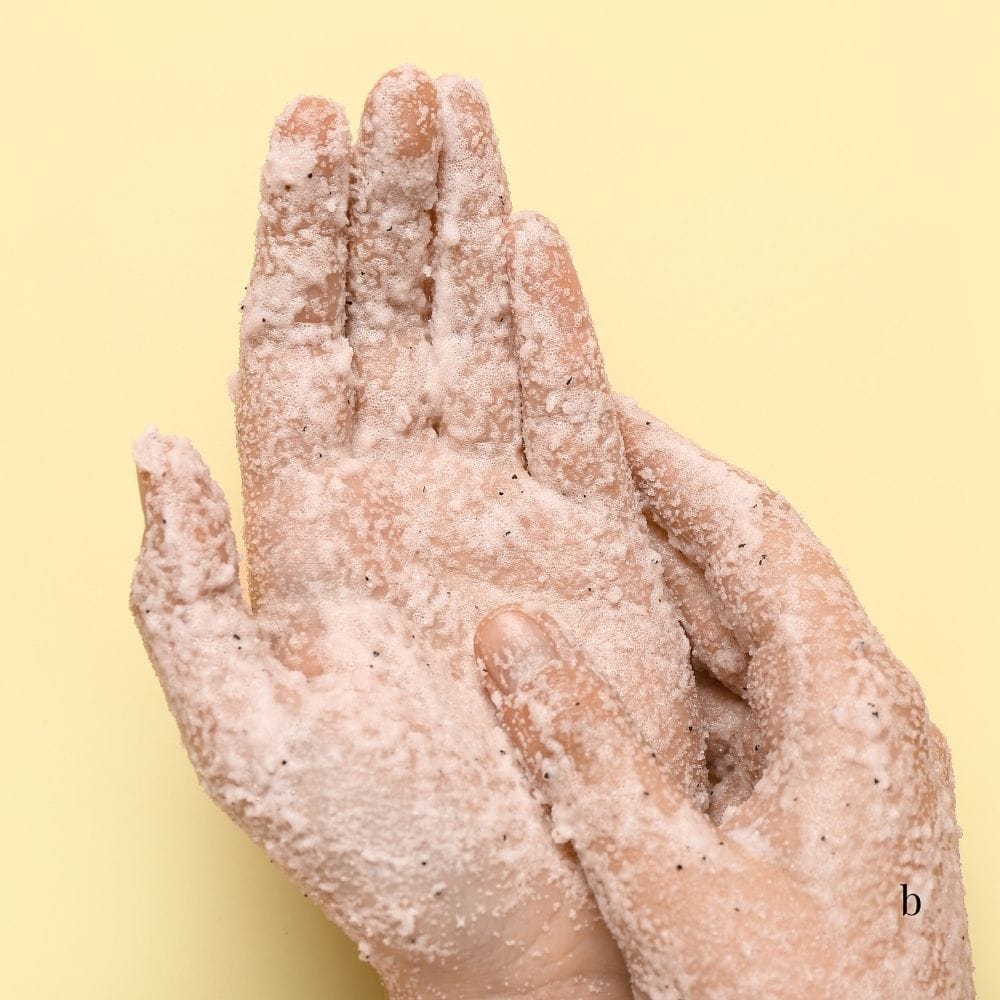
Corn is a wonderful, soothing addition to body care preparations, especially for sensitive or inflamed skin. Both the cornflour and corn-silk are used to enrich relaxing baths and topical treatments. A calming corn and milk bath will soften and restore the skin and do the same for your nerves - find the recipe in the Barefoot Herb Guide
THE NATURAL HOME & GARDEN
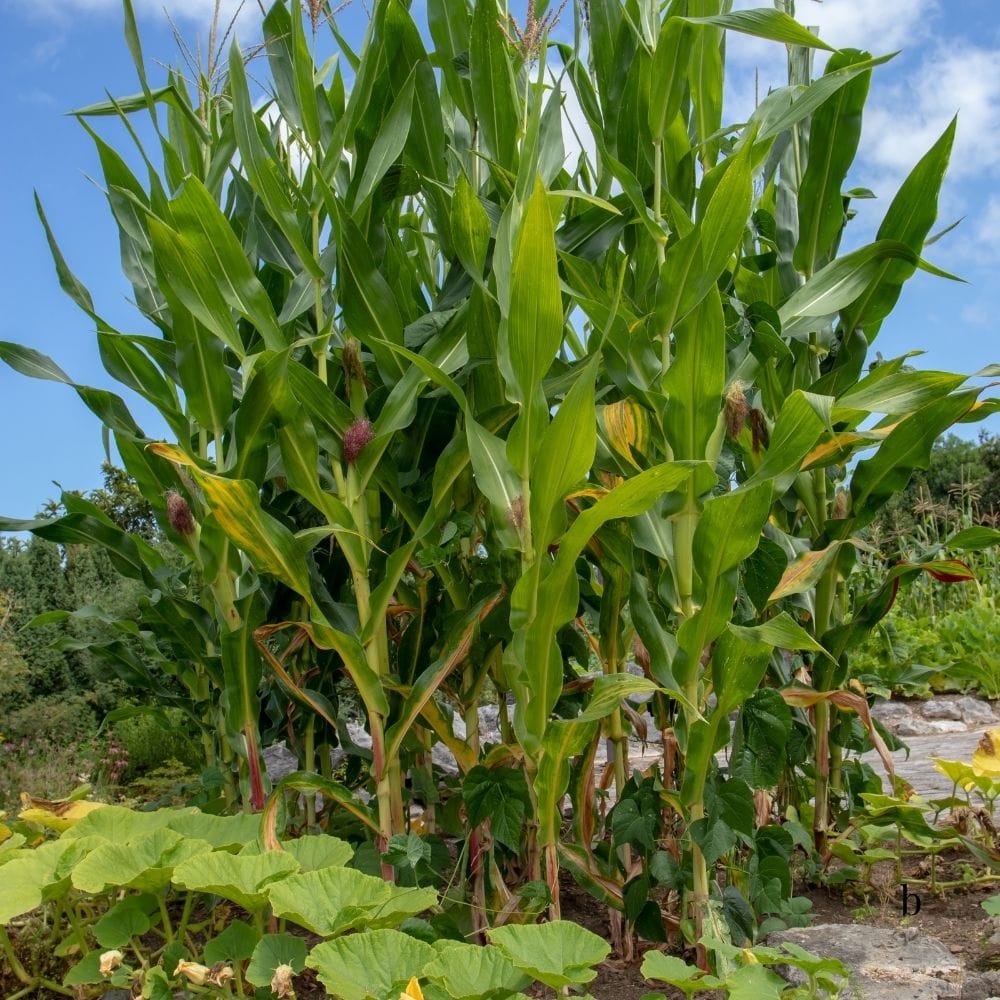
Corn requires full sun and deep, fertile soil, and because it is wind-pollinated, it is best grown in blocks rather than single rows. Another tip is to always plant at least 20 seeds - that is the minimum required for adequate pollination.
Within the home, the cobs and leaves can be used as natural starch,in carpet cleaning powders, a dye and of course corn dolls.
WHY YOU SHOULD GROW THIS HERB
If you have the space, corn is a rewarding and productive plant. By growing it in your own garden, you can harvest fresh cobs, useful husks, and healing silk right at home while experiencing the unmatched taste of homegrown produce. It turns your garden into a living apothecary and a sustainable source of traditional nourishment.
RECIPES
From the kitchen to the garden shed, follow these links for step-by-step guides using Corn
Botanical Beauty
UNLOCK THE FULL MASTER GUIDE
For the deep dive—including botanical etymology, ancestral history, and the complete medicinal and functional archive for Corn—look for the Barefoot Herb Guide here:
Grains Volume 1
JOIN THE BAREFOOT HERB CLUB
Never miss a guide! Whether we are exploring common garden "weeds," exotic spices, or indigenous treasures, you can get every weekly update delivered to your inbox for less than the cost of a cup of coffee!
Practical wisdom for every home, garden, and apothecary.
Receive a New Edition every week
Library Categories

"I'm Sharon. I've spent 25 years helping people remember the old ways of healing. (Read More....)

Preserving ancestral plant wisdom for the
Home Healer


