Parsley
Petroselinum crispum
CULINARY HERB

"Parsley seed goes nine times to the Devil and back before sprouting." — Folklore wisdom
Commonly dismissed as a mere garnish, Parsley is actually the most widely cultivated herb in Europe and the USA. Ancient Greeks associated it with the blood of Opheltes and believed contact with it before battle signaled death. The Romans were the first to eat it, placing a sprig on plates to prevent intoxication and freshen breath - a habit that continues to this day, although it is seldom eaten! By the 17th century, herbalists like Nicholas Culpeper prescribed it for kidney stones and "women's courses," and in the 1800s, its seeds were used as a laxative.
THE HERBAL KITCHEN
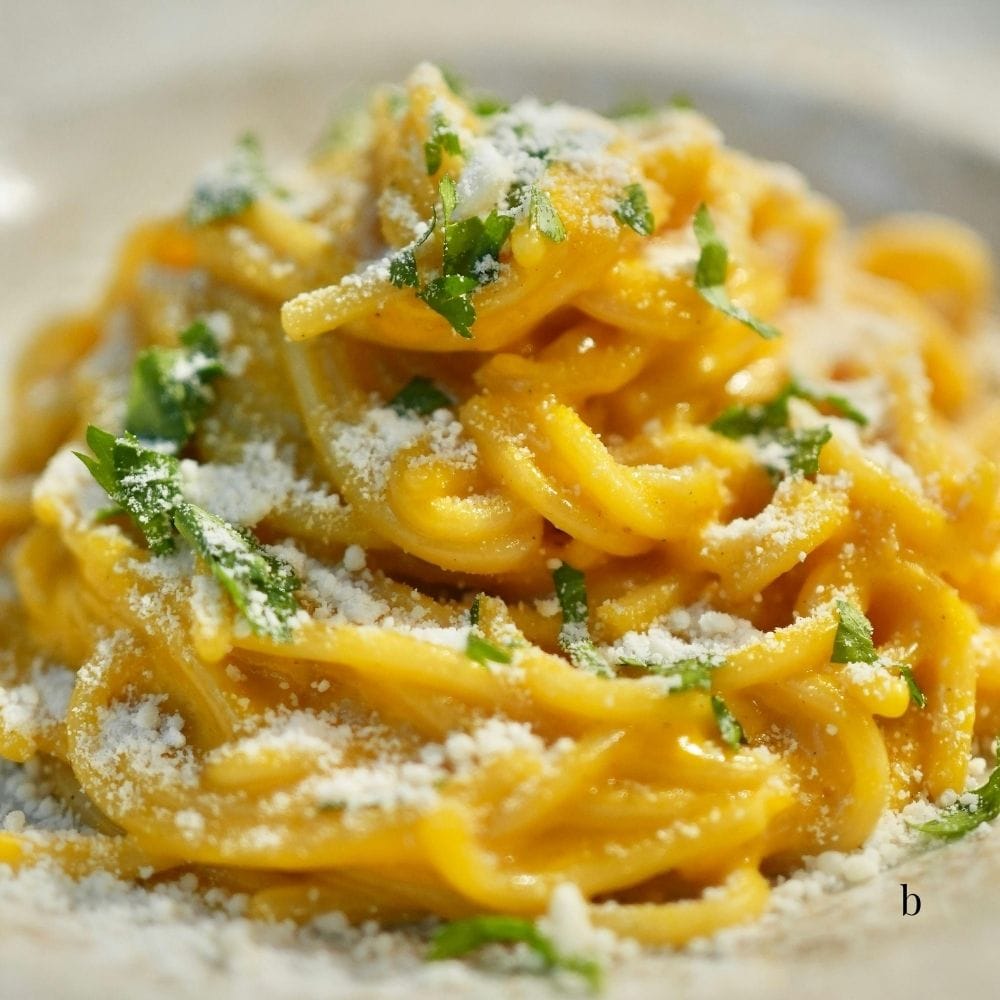
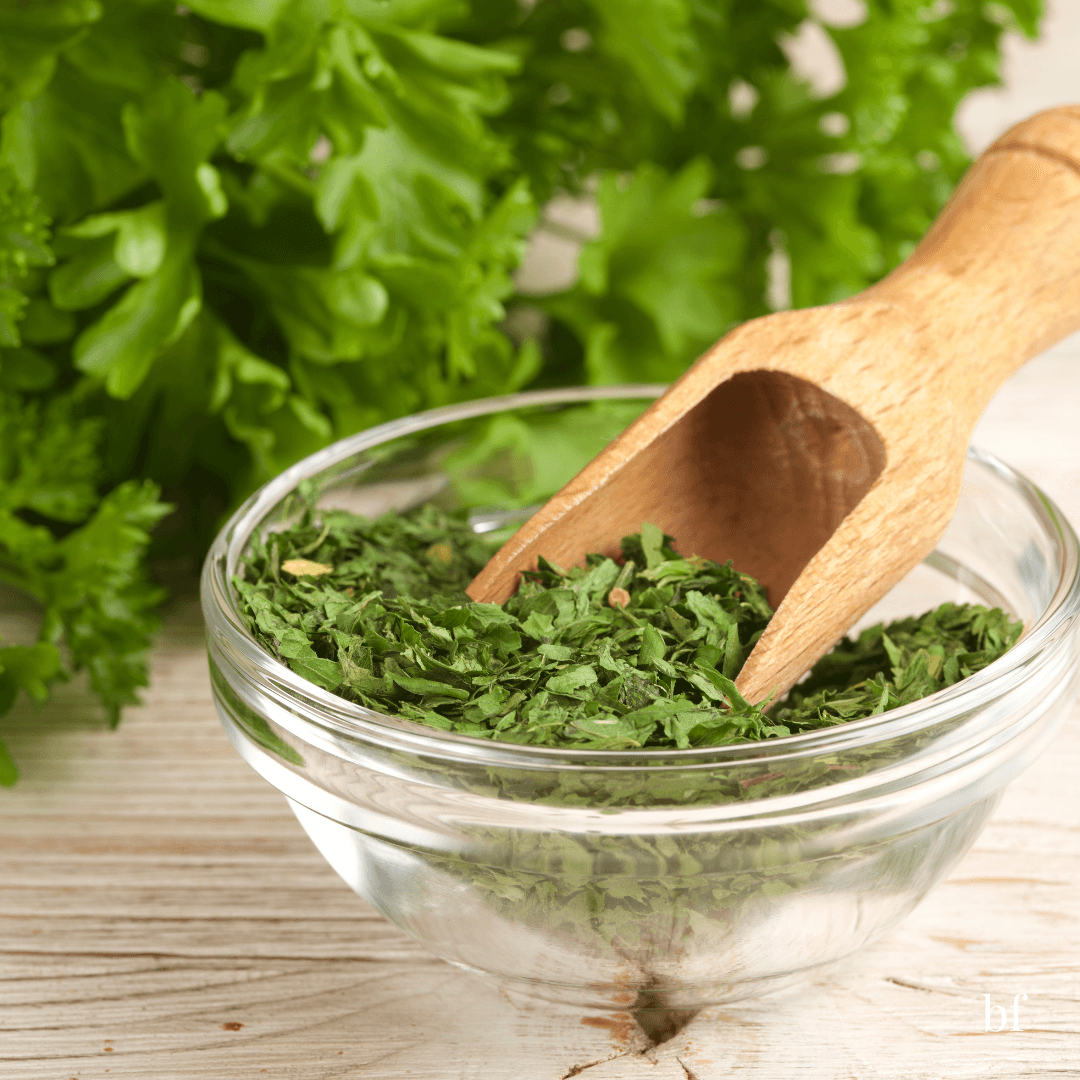
Parsley is incredibly versatile, pairing beautifully with other herbs or standing alone in dishes like Chimichurri and Tabbouleh. It is packed with vitamins and minerals and serves as an excellent breath freshener, particularly after eating garlic. While moss-curled is common, the flat-leaf Italian variety offers a stronger flavour, and the thick roots of Hamburg parsley can be roasted as a vegetable. For the best flavour, add leaves towards the end of cooking
THE HERBAL APOTHECARY
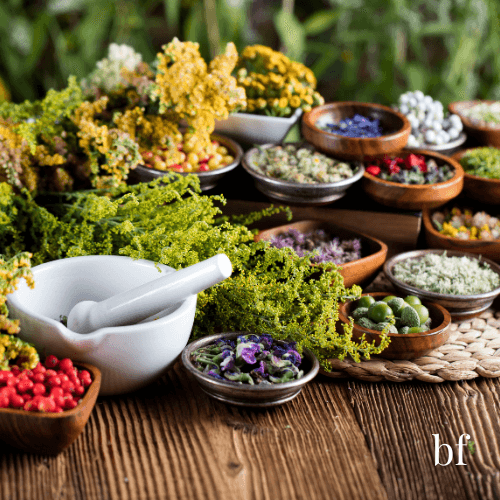
It is a powerful medicinal herb most effective in simple forms like infusions, decoctions, and poultices. It is traditionally used to treat water retention, kidney stones, and stomach cramps.
Historically, it was also used to promote menstruation and as a poultice for bruising or nipple soreness.
It remains one of the best natural remedies for freshening breath and purifying the body.
BOTANICAL BEAUTY
This herb acts as a natural skin purifier and is used to create gentle treatments for sensitive complexions.
The Barefoot Herbs Club guide includes recipes for sensitive skin cleansers, face masks, toners, and moisturizers.

IN THE GARDEN
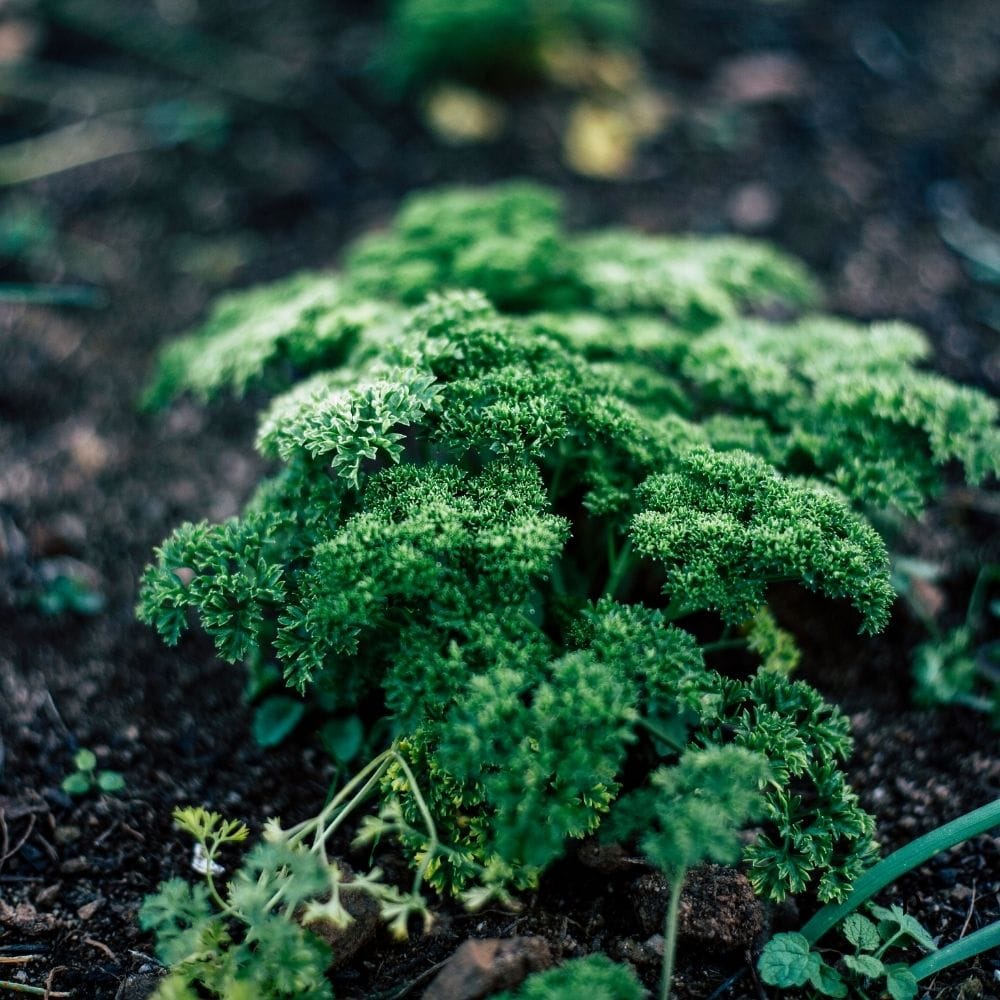
Parsley is a biennial plant that prefers rich, well-drained soil in full sun or semi-shade (just protect it from the very hot midday sun).
It makes an excellent edging plant and is very happy growing in pots. While it is fairly maintenance-free once established, it is famous for being slow to germinate, often taking up to six weeks to sprout; soaking the seeds overnight can help speed up this process.
WHY YOU SHOULD GROW THIS HERB
You can never have enough parsley! Parsley truly is the "distinguished gentleman" of the herb garden, quietly enhancing the flavours of everything around it without ever being overbearing.
It is perfect companion for your vegetables and other herbs and will even improve the scent of your roses.

RECIPES
From the kitchen to the garden shed, follow these links for step-by-step guides using Parsley
The Herbal Kitchen
UNLOCK THE FULL MASTER GUIDE
For the deep dive—including botanical etymology, ancestral history, and the complete medicinal and functional archive for Parsley—look for the Barefoot Herb Guide here:
Culinary Herbs Volume 1
JOIN THE BAREFOOT HERB CLUB
Never miss a guide! Whether we are exploring common garden "weeds," exotic spices, or indigenous treasures, you can get every weekly update delivered to your inbox for less than the cost of a cup of coffee!
Practical wisdom for every home, garden, and apothecary.
Receive a New Edition every week
Library Categories

"I'm Sharon. I've spent 25 years helping people remember the old ways of healing. (Read More....)


Preserving ancestral plant wisdom for the
Home Healer


