Pot Marigold
Calendula officinalis
FLOWER
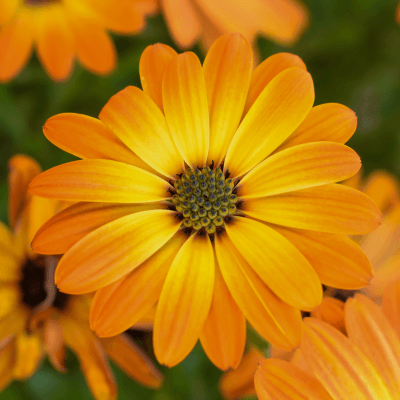
"The Marigold, that goes to bed with the sun, and with him rises weeping."
— William Shakespeare
Pot marigold is native to Eurasia and North Africa and has been cultivated for over 2,000 years for its medicinal, culinary, and beauty properties. Its botanical name, Calendula, comes from the Latin kalendae (first day of the month), while "Marigold" refers to "Mary's Gold" in connection to the Virgin Mary.
Ancient Greeks and Romans used the plant to treat skin conditions and digestive problems, while medieval herbalists believed looking at the flowers could improve eyesight and encourage cheerfulness. Historically, it was even used by surgeons during the American Civil War to treat soldiers' wounds and burns
Intro paragraph
THE HERBAL KITCHEN
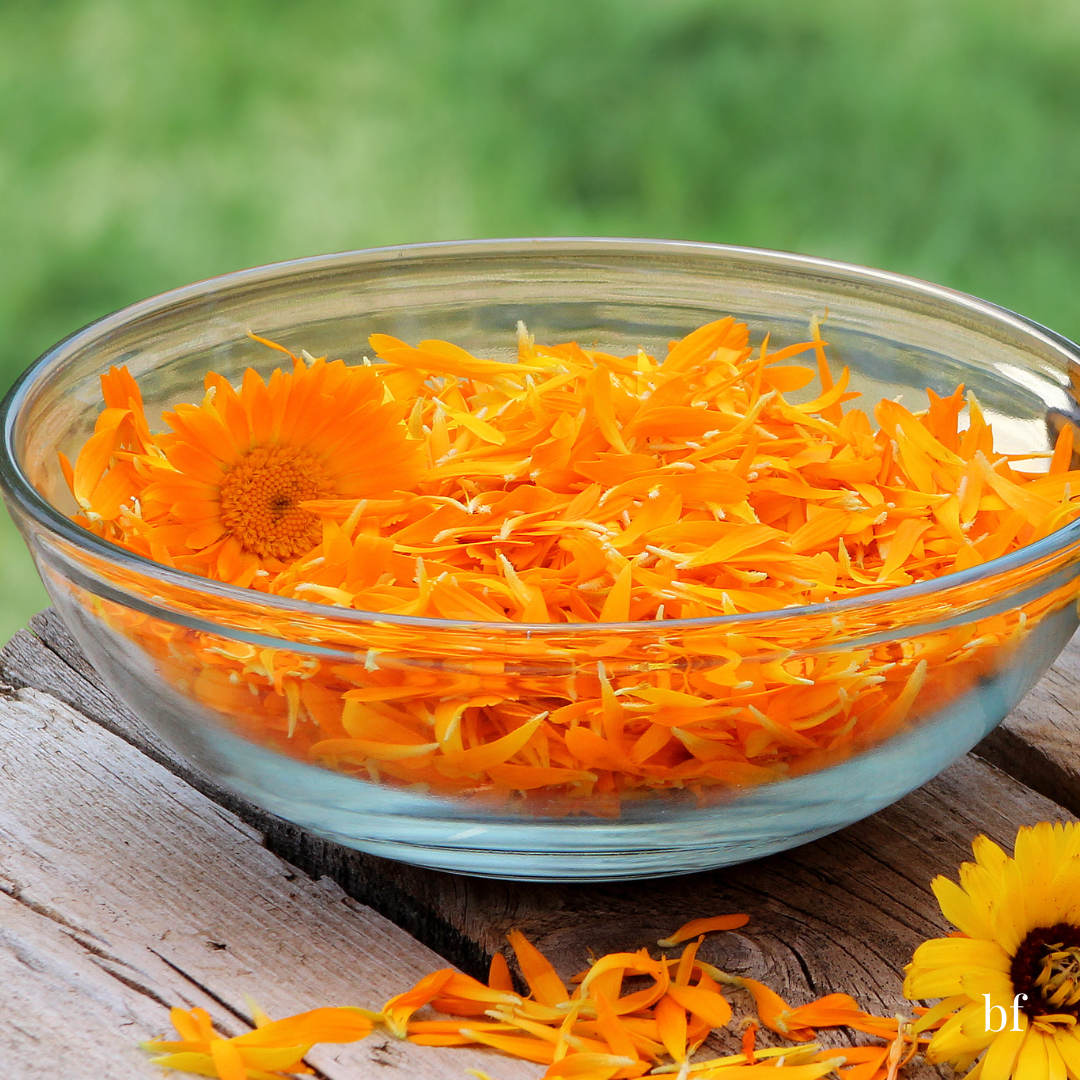
The petals of the pot marigold have a subtle, tangy, and slightly peppery flavor that intensifies when dried. Because of their vibrant pigment, they are a popular, affordable substitute for saffron to give rice dishes a gentle yellow color. You can easily incorporate the petals into mild-tasting foods like butter, cream cheese, or yogurt to add both visual appeal and a mild peppery note.
They are also a lovely addition to baked goods like muffins and breads, where they pair well with ingredients like sunflower seeds or thyme.

THE HERBAL APOTHECARY
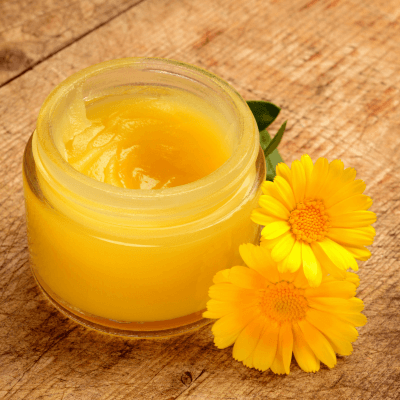
Calendula is world-renowned as one of the three most popular skin herbs, sitting alongside aloe vera and lavender. Medicinally, it is highly effective for various skin ailments and can be used to create soothing ointments, infused oils, and eczema creams.
But, you may not know, it is also an effective treatment for the kidneys and a cure for cystitis.
BOTANICAL BEAUTY
Due to its healing properties, pot marigold is a fabulous ingredient to add to personalized body and skin care products. You can create a marigold hair rinse for shine, or incorporate the petals into handmade soaps and bath bombs for a soothing experience.
For those struggling with skin texture, a facial scrub made with pot marigold can be particularly beneficial for acne-prone skin. Infusing the petals into a base like wheatgerm or sunflower oil creates a rich, nourishing treatment.

THE NATURAL HOME & GARDEN
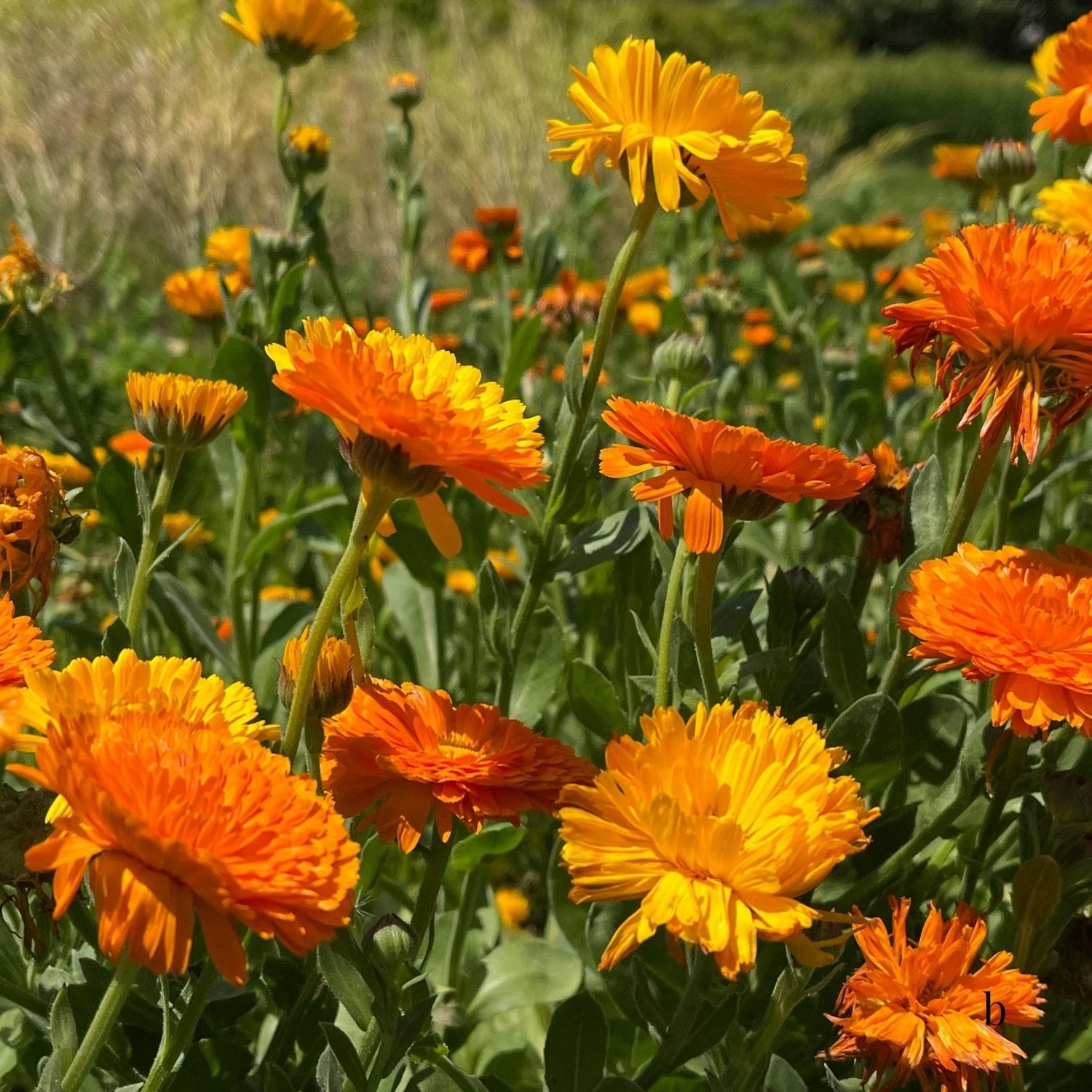
In the garden, these bright orange and yellow annuals are one of the few flowers that look glorious in winter. They are easy to grow in full sun or semi-shade, and because they self-seed readily, you often only need to plant them once to enjoy them every year.
WHY WOULD I WANT THIS HERB?
This is a herb that every gardener should grow - whether it is for the wonderful medicinal properties or just for the simple pleasure of looking at the cheerful flowers.
RECIPES
From the kitchen to the garden shed, follow these links for step-by-step guides using Pot Marigold
Body Care & Home:
The Herbal Apothecary
UNLOCK THE FULL MASTER GUIDE
For the deep dive—including botanical etymology, ancestral history, and the complete medicinal/functional archive for Pot Marigold look for the Barefoot Herb Guide here:
Flowers | Volume No.1

JOIN THE BAREFOOT HERB CLUB
Never miss a guide! Whether we are exploring common garden "weeds," exotic spices, or indigenous treasures, you can get every weekly update delivered to your inbox for less than the cost of a cup of coffee!
Practical wisdom for every home, garden, and apothecary.
Receive a New Edition every week
Library Categories

"I'm Sharon. I've spent 25 years helping people remember the old ways of healing. (Read More....)


Preserving ancestral plant wisdom for the
Home Healer


